|
|
|
What time does the sun set today?
One Facebook user in Colorado Springs asked Google, while sitting outside looking at the sun and waiting. The answer Google gave was that it had already set.
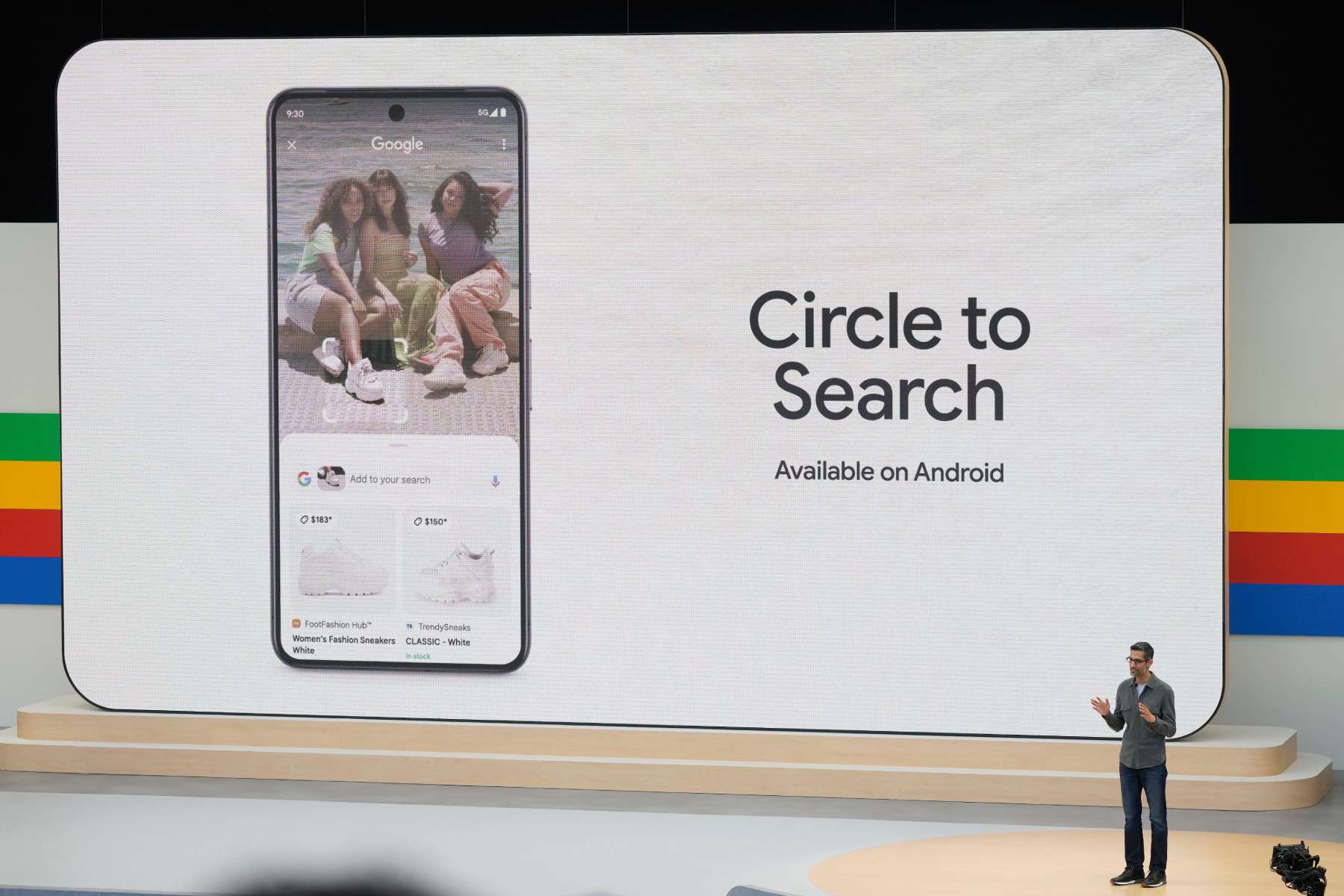
The website whose name has, for decades, been synonymous with seeking and finding information no longer actually does that reliably.
It now focuses on giving you a response over a list of results. And those AI responses are increasingly hit-and-miss.
Even looking up a simple word definition can now lead to obvious mistakes, off-base editorializing about what you may have meant to look for, or even meltdowns at certain AI-related phrases such as “disregard.”
Often I’ll forget the title of a song stuck in my head, type in a line or two of lyrics, and get half a page of the robot trying to discuss my feelings (very patronizingly too!) instead of just showing me webpages containing those words in that order.
I know you’ve probably had similar experiences like this with annoying or comically inaccurate results from neo-Google. We’re collecting some of the best, so let me know some of yours by replying to this email.
If it’s bad enough, you might even have a legal case: a German court recently ruled that Google had editorial responsibility for its AI rewrites and wasn’t merely a guide to the public record.
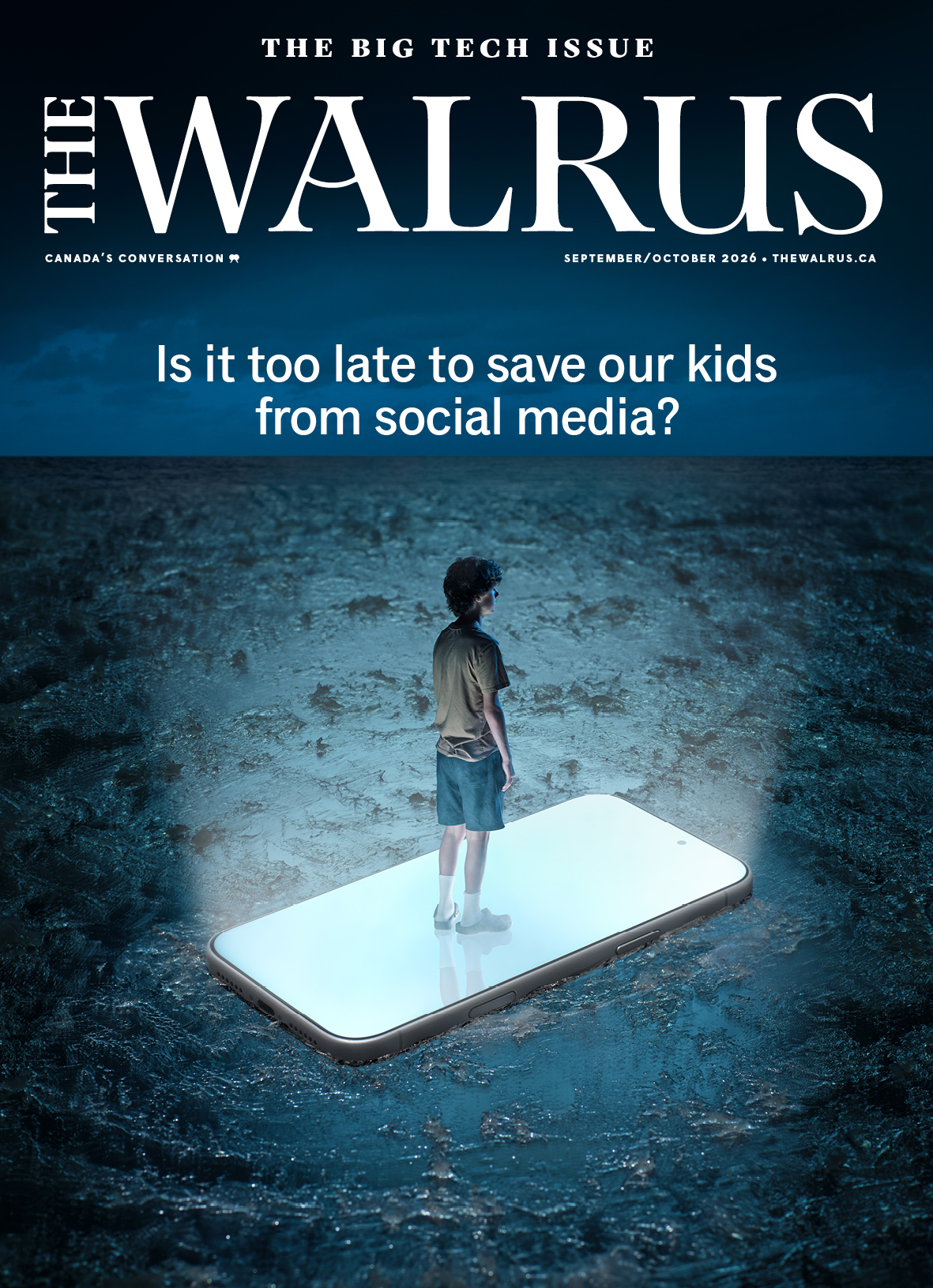
It’s this shared cultural record that’s at stake as Google search collapses, as Vass Bednar wrote in The Walrus.
|
| Read or Listen to the Story |
|
The problem goes beyond the much-discussed “enshittification” of once-trusty products. In so much of our current reality, the “real” seems less and less there to hold on to.
Things you buy online can leave you burned (literally) when what actually shows up is completely different.
Things you buy digitally can be abruptly taken away—as 1991 action classic and AI cautionary tale Terminator 2 recently was.
Even the price of a head of lettuce can now change based on when exactly you look and who you are.
And the bargain-finding features you might use to help get a deal may well be the ones misleading and manipulating you.
On that note: hell, even getting scammed has lost its personal, human touch.
In so many ways, Canadians’ lives feel “governed by forces beyond our reach.”
And online, more of the world is being put beyond our reach.
|
|
|
-
Links are rotting
As webpages are moved, renamed, or lost to domain issues, hyperlinks to those pages stop going through and citations become unverifiable.
-
More digital communications are ephemeral
Short-lived posts, such as Instagram stories and WhatsApp statuses, don’t leave a lasting public record to begin with.
-
Sites are being mass-deleted
In 2025, Disney did this with most of FiveThirtyEight’s archive of data-heavy politics and sports stories shortly after founder Nate Silver left and its staff were laid off.
-
Search engines are siphoning material—and traffic—from Wikipedia
The site that was long the first result of many searches now faces dwindling pageviews and a decrease in the donations that come with them. Its own material is being scraped and then used by search engines’ AIs to give users an answer without needing to click the original source.
-
The Internet Archive is being blocked
The massive digital library includes the indispensable Wayback Machine, which archives snapshots of websites. But after a lawsuit saw its lending program labelled unauthorized copying, news sites have started blocking its crawlers out of fear that AI companies could use the archive to get a hold of copyrighted material.
|
|
|
What can we do about it?
Google’s AI search is already facing pushback. Next month, massive web host Cloudflare will change its defaults to block search crawlers such as Googlebot if they are also AI-training crawlers—a combination that forces sites to accept becoming AI fodder as the price of being findable.
But decisions about the web don’t have to all be in the hands of private companies. We don’t let rideshare companies govern our roads, as Bednar points out.
Canada could begin to treat the internet more like a public utility, she writes. Many European countries are adopting domestic search engines, messaging apps, and software rather than trusting the government and public’s data to American tech giants.
On September 24 we’re bringing leading thinkers together to talk about the effects of economic concentration in Canada and beyond, at The Walrus Talks The Billionaire Problem.
Google once promised to bring us the world if we brought our curiosity.
The internet promised to connect us to what other people say and know.
Tech’s major players may be breaking those promises, but we can make them again to each other.
That’s something I’m excited to be able to do as one of the audience editors here at The Walrus: to connect to readers like you more directly and have Canada’s conversation with each other.
Thank you for reading, and don’t forget to let me know about your worst Google search anecdotes—or about what you think of these topics and these stories.
|
|
|
—Cam Welch,
Audience Editor, The Walrus |
|
|
|
|
|
|