Share
Email

Plus, Canada’s secret weapon in the trade war
 ‌ ‌ ‌ ‌ ‌ ‌ ‌ ‌ ‌ ‌ ‌ ‌ ‌ ‌ ‌ ‌ ‌ ‌ ‌ ‌ ‌ ‌ ‌ ‌ ‌ ‌ ‌ ‌ ‌ ‌ ‌ ‌ ‌ ‌ ‌ ‌ ‌ ‌ ‌ ‌ ‌ ‌ ‌ ‌ ‌ ‌ ‌ ‌ ‌ ‌ ‌ ‌ ‌ ‌ ‌ ‌ ‌ ‌ ‌ ‌ ‌ ‌ ‌ ‌ ‌ ‌ ‌ ‌ ‌ ‌ ‌ ‌ ‌ ‌ ‌ ‌ ‌ ‌ ‌ ‌ ‌ ‌ ‌ ‌ ‌ ‌ ‌ ‌ ‌ ‌ ‌ ‌ ‌ ‌ ‌ ‌ ‌ ‌ ‌ ‌ ‌ ‌ ‌ ‌ ‌ ‌ ‌ ‌ ‌ ‌ ‌ ‌ ‌ ‌ ‌ ‌ ‌ ‌ ‌ ‌ ‌ ‌ ‌ ‌ ‌ ‌

This Week's Round-Up: September 14, 2026

When you’re up against a bigger, stronger, richer opponent, how do you win?

What does “winning” even mean in this situation?

Surviving? For the smaller and weaker combatant, that can be enough.

But for its stronger opponent—for the aggressor—even winning isn’t enough. The expectation, when picking on smaller fry, is to win quickly and easily and totally.

This, Peter Jones writes in The Walrus, is how Canada can win (or at least “win”) the trade war with the US.


Read or Listen to the Story

By denying the stronger party the easy win that it (and everybody else) expects to see.

By making it expend too many resources, for too long, such that it will “suffer an unsustainable loss in public confidence both at home and abroad.”

The US has been taught (but has not necessarily learned) this lesson in real wars, from Vietnam to, now, Iran. Canada can learn a few things from Iran about how they’ve handled the US.

Canada can’t derail the whole US economy. But we can identify what the US administration wants and how it intends to get it, stymie those aims, and eventually “win by not losing.”

Despite its overall strength, Jones writes that the US has four clear weaknesses that Canada can target:

1. Internal division

A country needs widespread buy-in to weather a protracted conflict, but the US of 2026 is deeply divided ideologically, regionally, racially, economically, culturally—you name it.

The strategy: Target key regions “to economically hurt people who can politically hurt Trump.” For example, these five Trump-supporting states are vulnerable to tariffs ahead of key midterm elections.

The risk: Punish Americans too aggressively, and Canada could inadvertently create a unified front rather than exploit the lack of one.

2. Financial vulnerability

Despite being the world’s largest economy, the US is $40 trillion in debt and reliant on the AI bubble to avoid recession. Its workforce is aging, and its government is aggressively antagonizing immigration, the typical source of cheap replacement labour.

The strategy: Outlast the US while steadily diversifying away from it and retaliating selectively at pressure points.

The risk: The US is our biggest trade partner no matter what, and a recession there will damage us too.

3. A chaotic leader

In his second term Trump has consolidated spectacular power and an unprecedented ability to flout norms. But the lack of checks and balances, or steadier hands in his circle, also gives him the ability to fail spectacularly.

And while Canada can focus fully on this struggle, Trump is likely to try to distract the public—and himself—with a new conflict.

The strategy: Not really anything here. “Never interrupt your enemy while he is busy defeating himself.”

The risk: What we’re already experiencing: extreme, unreasonable action against us when we attract the chaotic leader’s attention.

4. Arrogance

Trump and others see Canada as already nearly a vassal that is dependent on the US. But Canada is a large economy and an appealing trade partner around the world; a resource-rich country that is reliable and stable compared to many other options—including the US, increasingly.

The strategy: Reduce dependence on the US.

The risk: Diversifying trade won't happen overnight. Over time we can recoup the losses, but right now the US is a huge and entrenched partner for us and reducing that will cost us. For example, Saskatchewan has been reluctant to cut into its billion-dollar potash exports.

Overall, this won’t be simple or easy. Jones acknowledges that in a contest, your opponent can see your strategy and respond rather than just letting you do it. If we “rag the puck” to wait this out, the administration will apply pressure by further escalating tariffs. And it has already targeted our own internal divisions between political factions and provinces just as we can target states.

But the US is not just the Trump administration. Jones writes that we can build new and different relationships with various states, municipalities, and industries that are more willing to make a deal than the Art of the Deal author.

Do you think Canada has other key advantages or America other key weaknesses? Reply to this email and let us know.


Thank you for reading,
—Cameron Welch,

Audience Editor, The Walrus

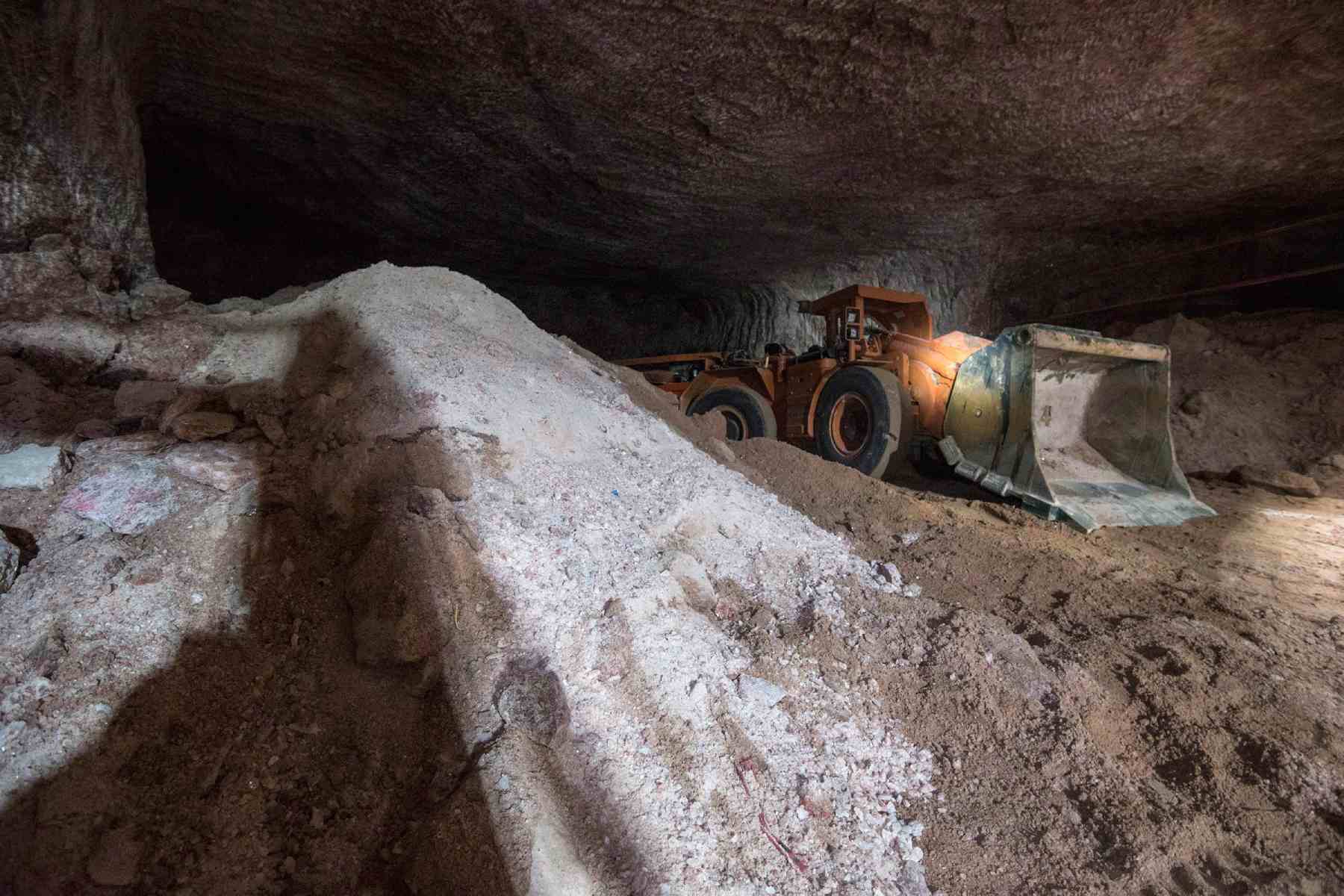
Image of a green bulldozer underground in a mine.

Canada Has a Weapon in Trump’s Trade War. It’s Potash

American farmers need it. Let’s use that dependence to fight back


BY DALE EISLER

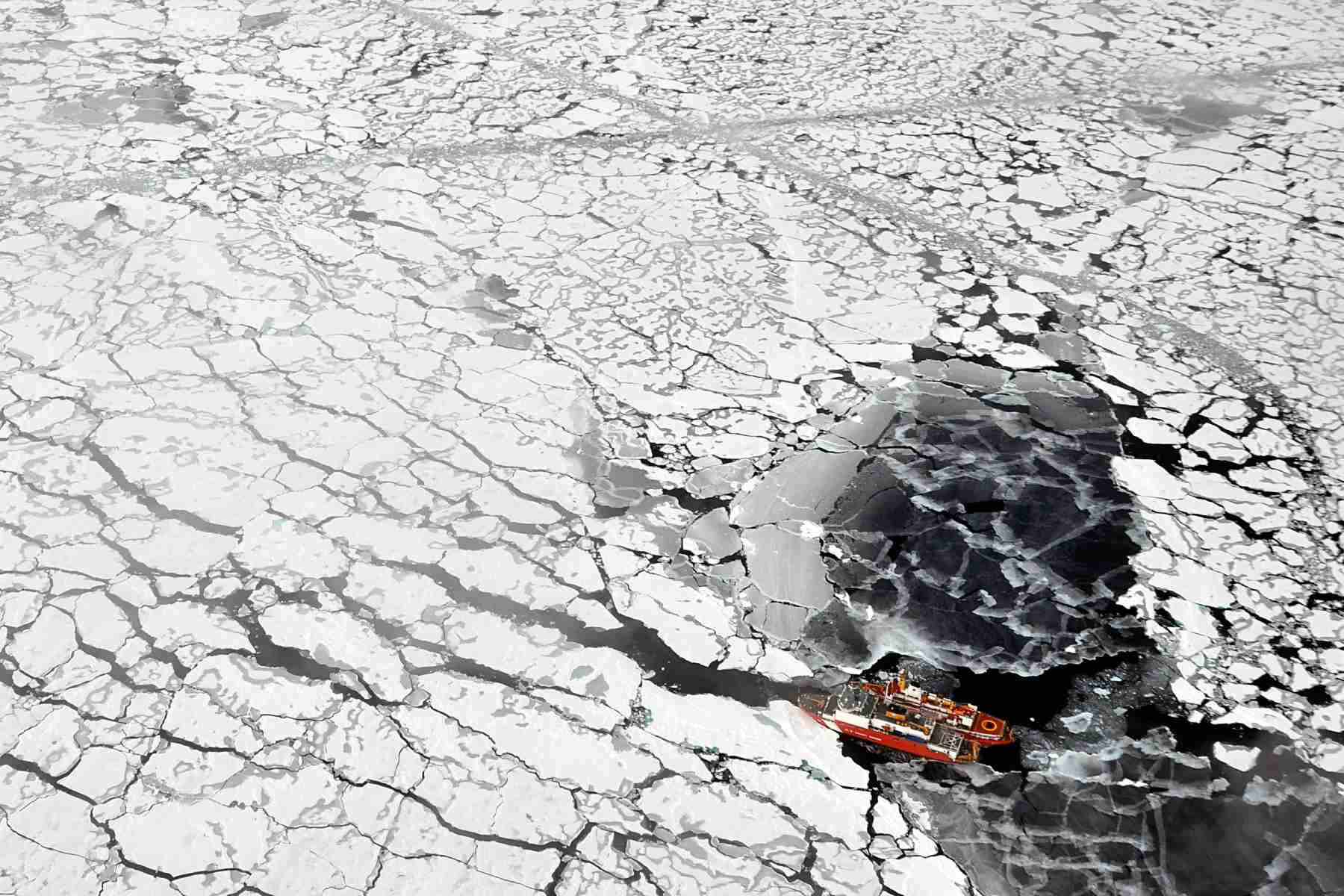
An aerial photo of two red ships navigating through icy Arctic waters side by side.

Want to Defend the Arctic from Trump? Build More Icebreakers

Canada’s fleet is aging and isn’t being replaced fast enough

BY WESLEY WARK

Image of a woman's face mostly obscured by a white streak taking up the bottom righthand corner.

Quebec Is Getting Hammered by Trump’s Trade War. It’s Not Backing Down

Businesses are paying the price—and overwhelmingly support Carney


BY TOULA DRIMONIS

Mirrored image of two Mark Carneys; the righthand Carney is blue, and the lefthand is red.

Canada’s Most Popular Conservative Is Mark Carney

His economic agenda has scrambled the political map. The question is how long it can last


BY STEWART PREST

Image of a firefighter standing in burned rubble and debris with a sky engulfed in smoke.

I Was a CSIS Analyst When 9/11 Happened. Here’s What I’ve Learned

We risk repeating the errors of the past twenty-five years on


BY PHIL GURSKI

For generations, people across Canada have come together to support each other through volunteering, donating, joining, and leading. So why do 51% of Canadians say they’re feeling lonely? At The Walrus Talks Community Reborn, leading thinkers and civic leaders will explore how nonprofits are the invisible glue holding our society together.

Join Us on October 8
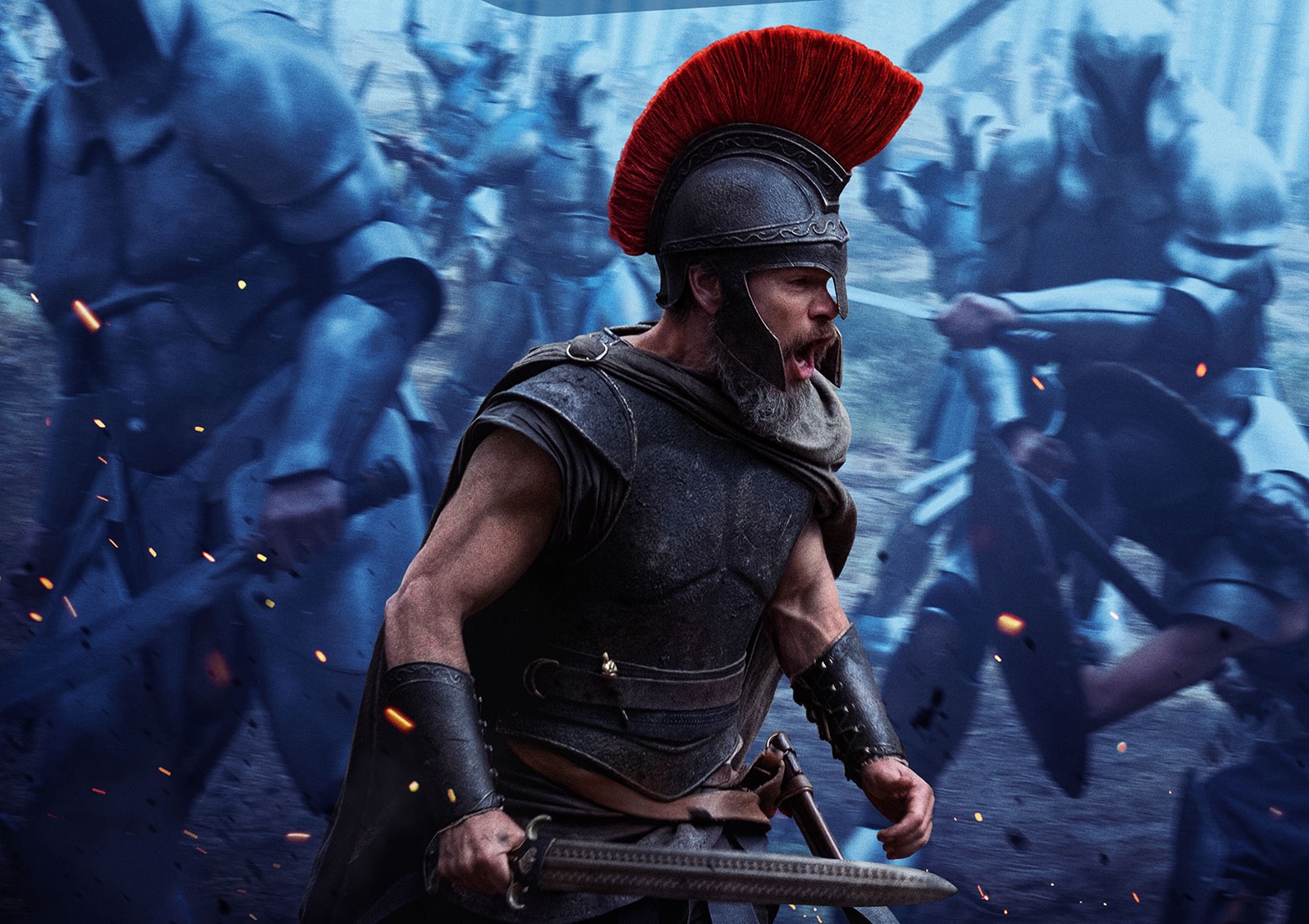
A movie still from The Odyssey of a warrior in battle.

I Spent Years Working with War Veterans. The Odyssey Hit Me Hard

The journey home can be harder than the battle itself


BY ERIN O'TOOLE

Photo of a man in a suit and glasses with short dark hair against a black background.

As Alberta’s Referendum Looms, Where Is Naheed Nenshi?

The NDP leader hasn’t quite seized the moment, despite Danielle Smith’s fumbles


BY TIM QUERENGESSER

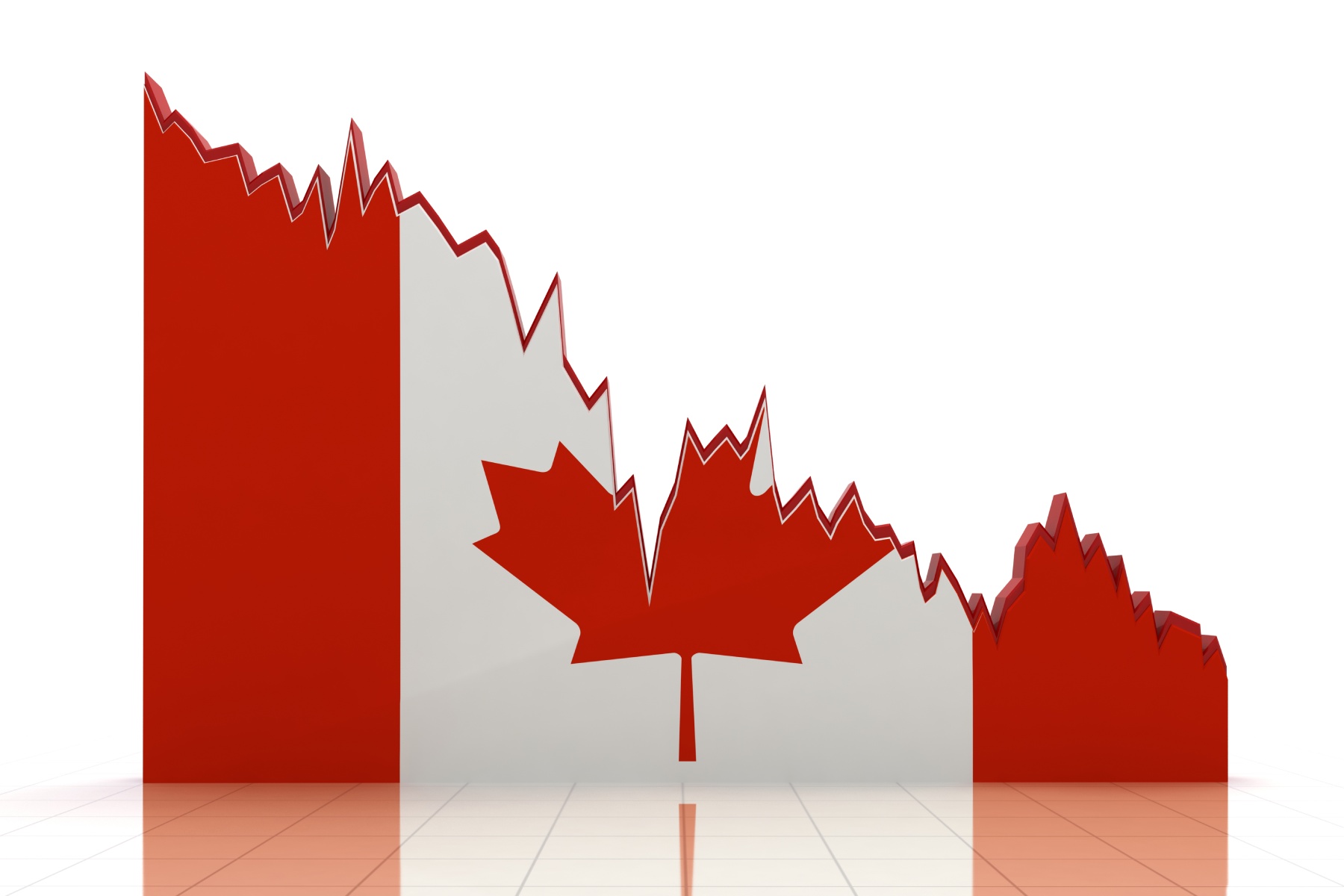
Image of the Canadian flag torn at the top in a jagged, declining pattern that mimics a downward-trending graph.

Canada Was the “Best Country in the World to Live.” What Happened?

I went looking for answers in the nations that surpassed us

BY MATT MALONE

Image of a robotic arm holding a student who is wearing a backpack on a turquoise background

Canadian Students Say AI Is Hurting Their Critical Thinking

That isn’t stopping them from using it

BY AMANDA PERRY

Image of identical, spaced-out white school desks against an orange background. Desks on the edges of the image are fading into the background.

More than Half of Ontario Students Aren’t Showing Up

A former chronic absentee explains why

BY KUNAL CHAUDHARY

FROM THE WALRUS LAB IN PARTNERSHIP WITH THE GOVERNMENT OF CANADA

The Planes Landed, and a New Era Began

On September 11, 2001, hundreds of planes bound for the United States were suddenly redirected to Canada after the terrorist attacks brought North American air travel to a halt.

Season 5 of Canadian Time Machine returns with a look at what happened next. Kathy Fox, who helped oversee Canada’s air traffic system that day, reflects on the decisions that brought those aircraft safely to the ground. National security expert Stephanie Carvin examines the lasting consequences: a transformed border, new terrorism laws, and a fundamental rethinking of what security meant in Canada.


Listen to the Episode
Image of rows of camping icons featuring tents and trees on a light grey background. The icons are a darker grey apart from one in the top left corner that is bright blue

The Ticketmaster of Camping: A US Company Is Raking In Millions in Fees

Long queues. Rising prices. What’s a hike worth in a Canadian park?

BY CAMERON FENTON

Image of a man standing in front of a building with an ATM face spitting money. A family is seen moving out at the ground floor of the building.

The Corporate Takeover of Canada’s Apartments Is Worse than You Think

Property investors have discovered that getting rid of tenants is very good business

BY LEILANI FARHA

Listen to a New Episode of What Happened Next

Host Nathan Whitlock is joined by Elizabeth Renzetti, co-author of Widows and Orphans

Mad Dash


In her piece “My Guilty Pleasure: The Em Dash” (May), Mihika Agarwal lauds this mark of punctuation for its “dramatic flair” and “visual audacity.” I do appreciate the writer’s rebelliousness, but as the author of a widely used Canadian grammar book, I am compelled to comment. As any reliable grammar text or teacher will tell you, to overuse the em dash soon forfeits its effects. What applies to a writer’s conscientious search for just the right word applies equally to marks of punctuation. Precision is the point. As Mark Twain wrote, “The difference between the almost right word and the right word is really a large matter—’tis the difference between the lightning-bug and the lightning.” I am all for breaking rules that don’t make sense, that negate a writer’s purpose or fail to serve it. I merely point out that to break the rules for good effect, you would first have to understand those rules.


Maxine Ruvinsky
Montreal, QC


Read More
Email Marketing by ActiveCampaign