|
Two years ago, Pierre Poilievre seemed poised to become Canada’s next prime minister.
Justin Trudeau’s popularity had fallen, and the Conservatives led the polls with a comfortable advance of 17 percentage points.
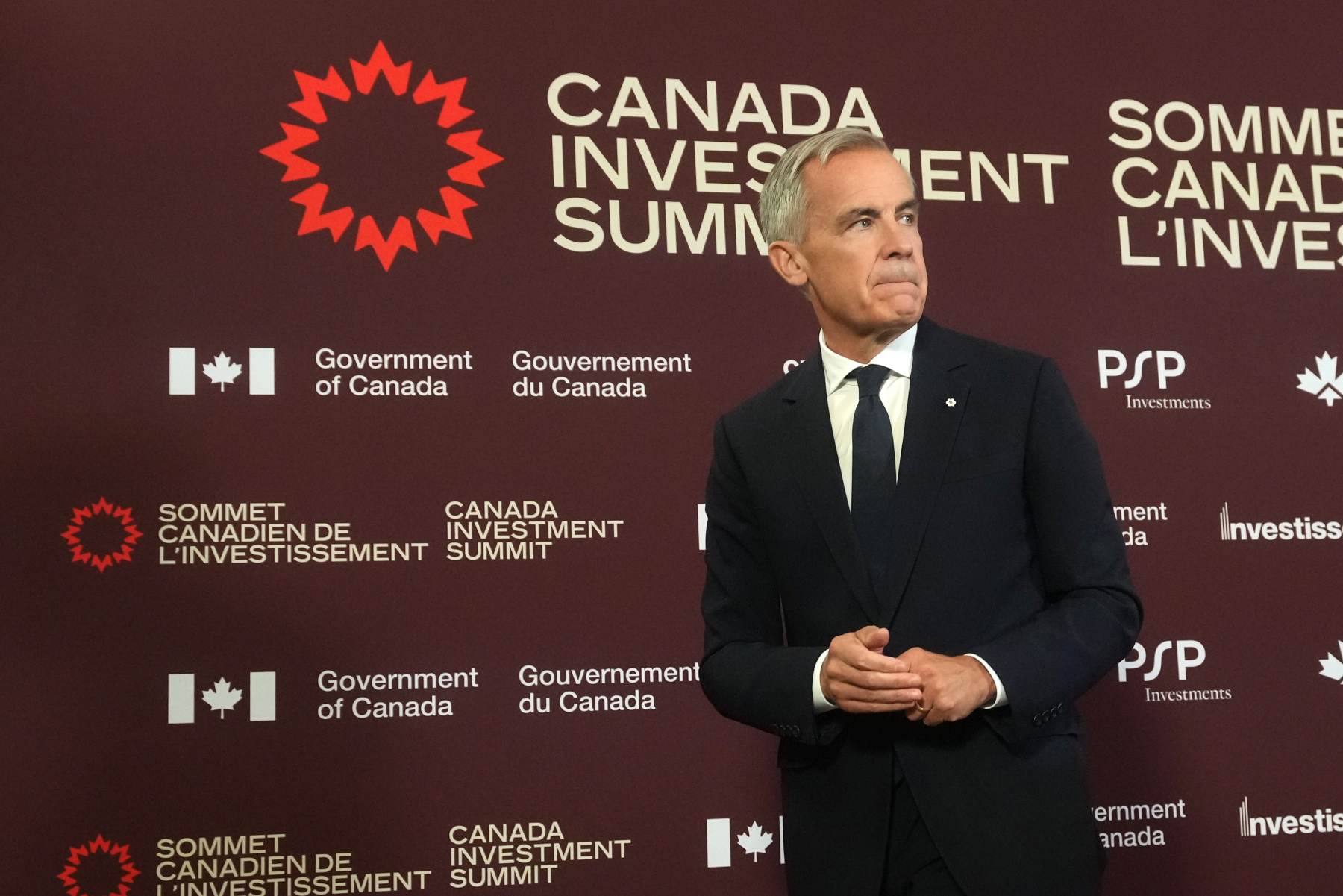
Fast forward to now: the Liberals have their first majority government since 2019. Tensions with the US are high—and so is Prime Minister Mark Carney’s popularity among voters.
Meanwhile, in the past year and a half, Pierre Poilievre and his party have faced a series of setbacks, including defections and loss of seats in the recent by-elections.
More recently, Conservative MPs who spoke to the CBC on condition of anonymity during the party’s caucus retreat described the morale as low. One MP told the CBC he thought that Canadians simply “don’t want to hear from us right now.” Pierre Poilievre himself has faced dissatisfaction and criticism from within his own party, although for now, the CBC reports, there is no movement to oust him.
So, what happened?
According to Lori Turnbull, who teaches parliamentary democracy and governance at Dalhousie University, “Poilievre is stuck in a mess that, though events have played a role, is largely of his own making.”
For The Walrus, she argues that, with Trudeau as prime minister, Poilievre was very successful in channelling voters’ anger at inflation and the rising cost of living toward the governing party, styling himself as the antidote to Liberal elitism.
But now, with a widely popular Liberal prime minister and an ongoing trade war with the United States, that strategy cannot work, Turnbull argues. She admits that being the opposition leader in the current moment would be a difficult role for anyone to take on. But Poilievre specifically, she argues, seems “[t]emperamentally and rhetorically ... unable to adapt to changing circumstances.”
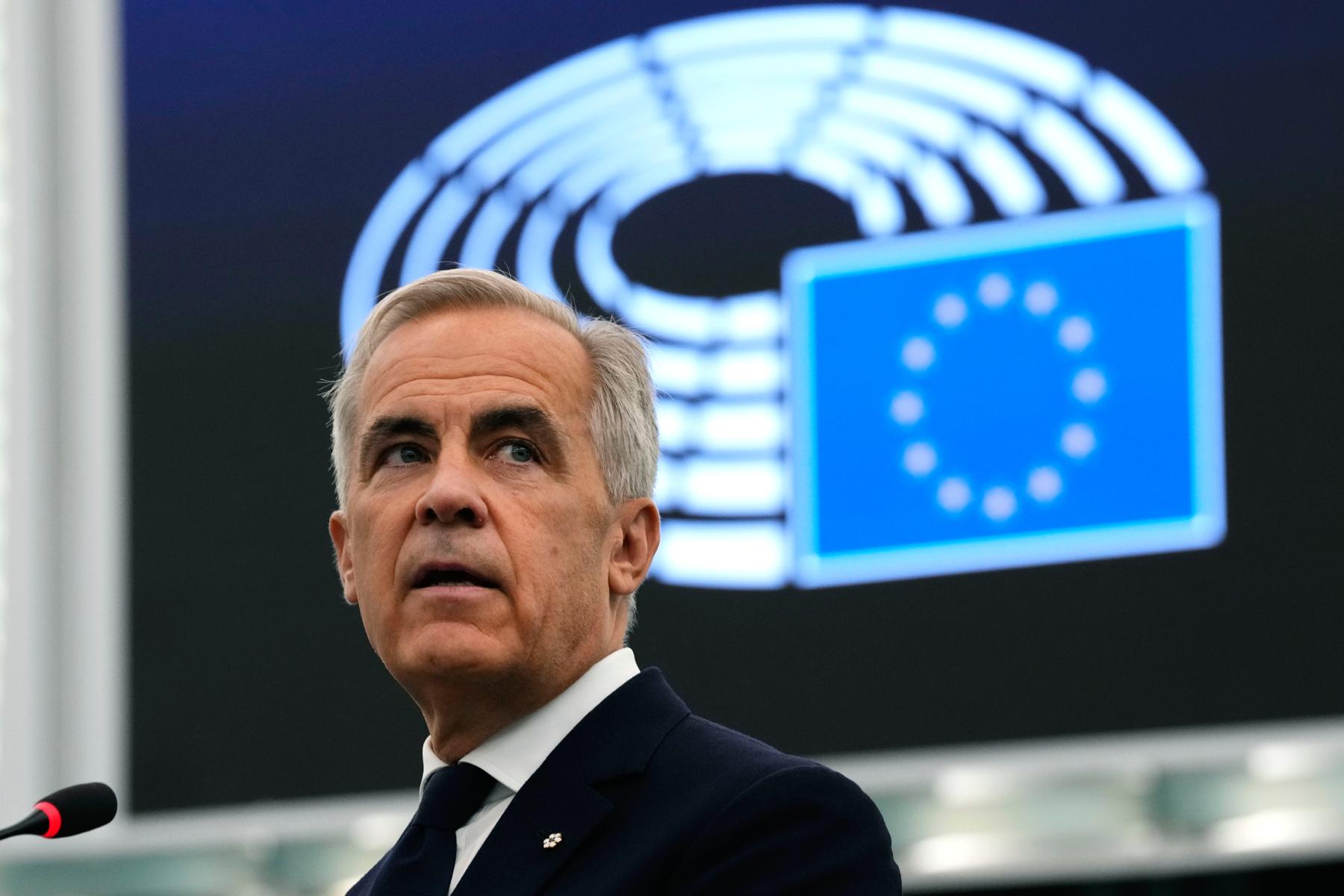
His style, which she describes as falling back on “outrage politics and name calling,” not unlike Trump’s, contrasts with Carney’s “even tempered and calm” demeanour. And as uncertainty over Canada’s relationship with its southern neighbour looms, “Canadians are looking for a leader they believe has the vision, expertise, and competence to chart a way out of this mess,” she writes. “That’s why Carney is flourishing. But Poilievre is still fighting—and still losing—the same election that brought the prime minister to power.”
|