|
|
|
|
This Week's Round-Up: May 25, 2026 |
|
|
|
|
|
|
|
We don’t call the military a money loser. Public mail delivery shouldn’t need to turn a profit either
BY DAVID MOSCROP |
 |
|
Yes, Canada Post is losing money. Yes, the current model may be unsustainable, designed as it was for another era. But none of those observations means the country no longer needs a mail service or that some version of it will not require subsidies to preserve capacity in pursuit of broader public goals.
Any serious discussion of Canada Post has to begin with those goals. The institution exists in much the same way roadworks, the civil service, or the armed forces do. That is, to perform a function we have collectively decided should not be left entirely to the market, even if the private sector might overlap with some of its activities.
|
| Read or Listen to the Story |
|
|
|
|
|
|
|
|
|
|
|
|
|
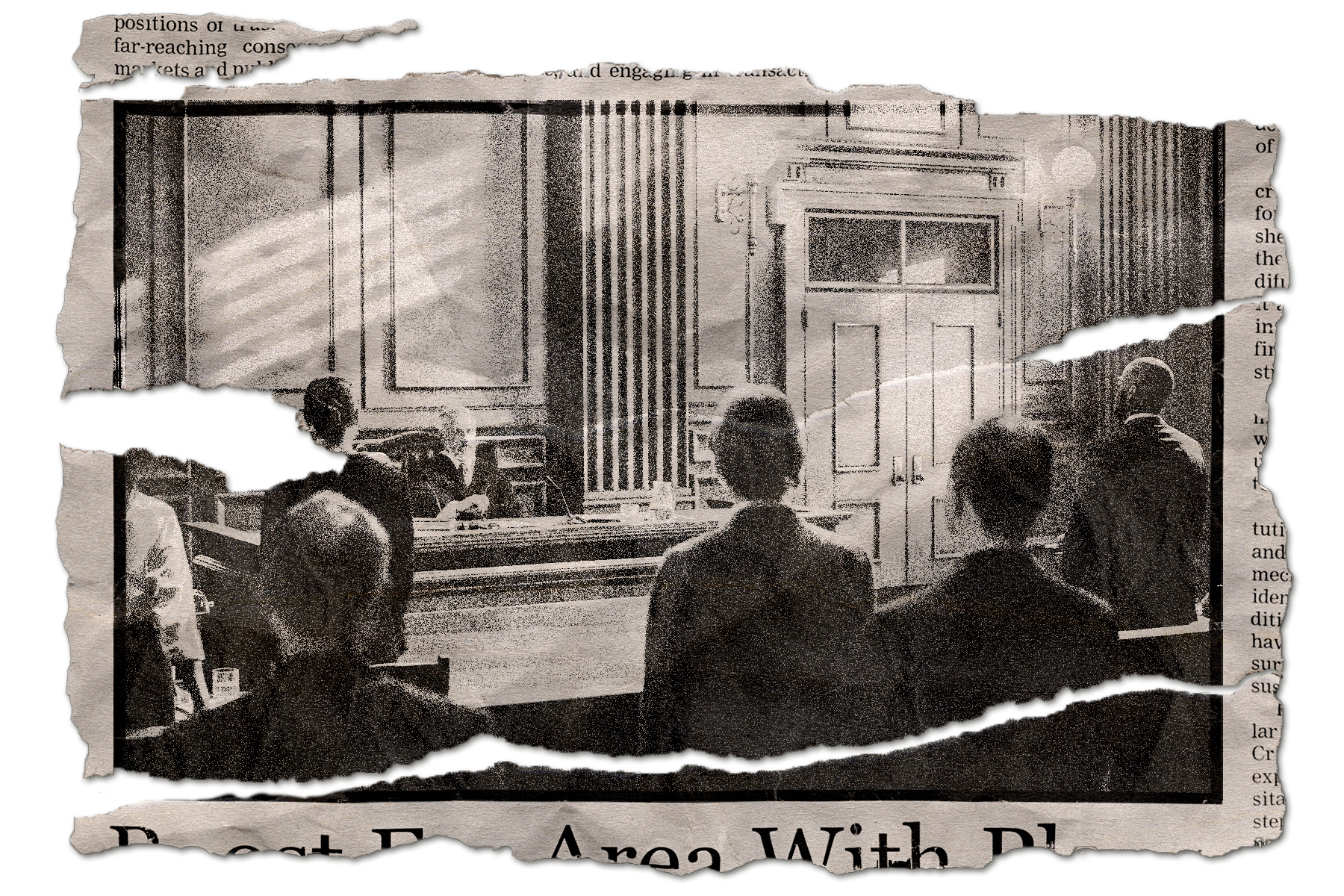
Universities increasingly face pressure to comment on sociopolitical issues. According to author and philosophy professor Shannon Dea’s “proximity model”—which is based, in part, on the Kalven Report’s approach to institutional neutrality and exceptions—when should universities issue public statements? |
|
|
|
|
|
|
|
|
|
|
|
|
|
|
|
 |
|
Join us in Toronto or online tomorrow for The Walrus Talks AccessAbility, a live recording of Courage Inc. hosted by Duncan Sinclair, Deloitte Chair of Canada and Chile, who brings years of leadership and expertise to this urgent discussion. Featuring talks by five speakers from the disability community on policy frameworks, leadership, and innovation, the importance of technology, corporate rollbacks on DEI, and the persistence of ableism, the talks will be followed by a panel discussion moderated by Sinclair. |
| Join Us |
|
|
|
|
A MESSAGE FROM THE WALRUS LAB IN PARTNERSHIP WITH AMAZON CANADA |
 |
|
Five Questions with Canada’s Rising Literary Voices |
|
Meet the authors shortlisted for the 2026 Amazon Canada First Novel Award through our “Five Questions” video series. These short conversations offer insight into each author’s process, influences, and the journey behind their debut novel. |
| Watch Now |
|
|
|
 |
|
In this episode of What Happened Next, host Nathan Whitlock is joined by author and journalist Adriana Barton, whose debut book is Wired for Music: A Search for Health and Joy Through the Science of Sound. Adriana talks to Nathan about how different the original pitch was from the finished book, about how she got through her nervousness around public speaking when she did appearances for the book, and about her ongoing difficulties with her planned follow-up. |
| Listen Now |
|
|
|
Do you want a piece of this? |
|
Then you can have it. When you donate to The Walrus, you join a global club that’s bringing fact-checked news for free to anyone, in Canada and beyond, who wants to read it.
We ask for donations because you help bring our online stories to everyone, no matter their ability to pay. You don’t have to give, but we think you might want to.
We don’t have a billionaire owner. We’re not being bought by a generation-spanning media conglomerate. You can buy us at the newsstand—but you can’t buy us.
So, will you give before the end of May?
|
|
|
|
|
— Sean Young
Fundraising & Engagement Officer |
|
|
|