Share
Email

Plus, will new deepfake laws protect victims?
 ‌ ‌ ‌ ‌ ‌ ‌ ‌ ‌ ‌ ‌ ‌ ‌ ‌ ‌ ‌ ‌ ‌ ‌ ‌ ‌ ‌ ‌ ‌ ‌ ‌ ‌ ‌ ‌ ‌ ‌ ‌ ‌ ‌ ‌ ‌ ‌ ‌ ‌ ‌ ‌ ‌ ‌ ‌ ‌ ‌ ‌ ‌ ‌ ‌ ‌ ‌ ‌ ‌ ‌ ‌ ‌ ‌ ‌ ‌ ‌ ‌ ‌ ‌ ‌ ‌ ‌ ‌ ‌ ‌ ‌ ‌ ‌ ‌ ‌ ‌ ‌ ‌ ‌ ‌ ‌ ‌ ‌ ‌ ‌ ‌ ‌ ‌ ‌ ‌ ‌ ‌ ‌ ‌ ‌ ‌ ‌ ‌ ‌ ‌ ‌ ‌ ‌ ‌ ‌ ‌ ‌ ‌ ‌ ‌ ‌ ‌ ‌ ‌ ‌ ‌ ‌ ‌ ‌ ‌ ‌ ‌ ‌ ‌ ‌ ‌ ‌

This Week's Round-Up: July 13, 2026

How Mark Carney Became a Sex Symbol

A guide to the social media accounts calling our prime minister hot

BY AMARAH HASHAM-STEELE

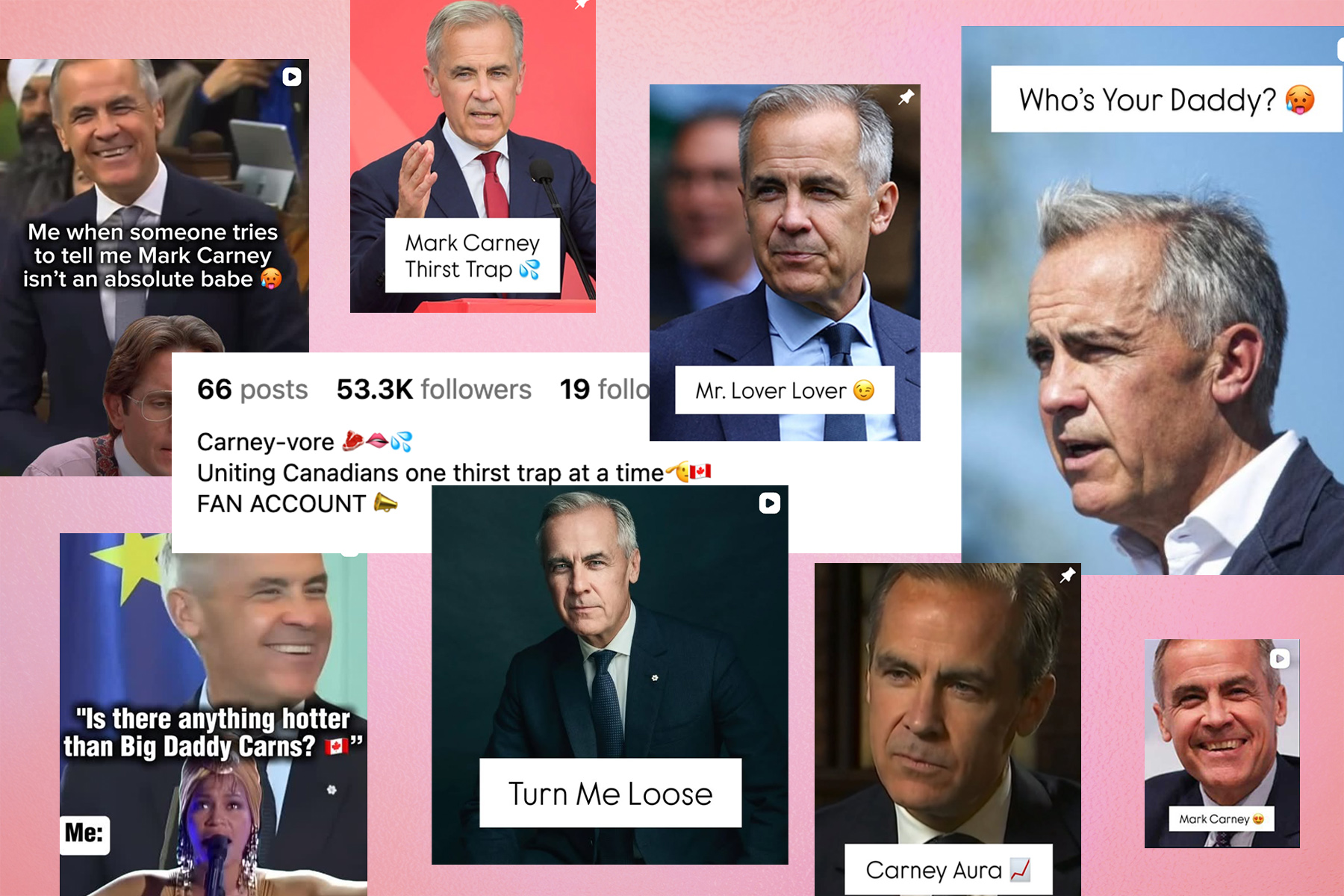
Collage of images of Prime Minister Mark Carney and Instagram thirst trap captions praising him on a pink background.

The politician licks his lips. The clip then cuts quickly to him winking at the camera before turning his head to the side and smiling. The soundtrack is Shaggy’s steamy reggae hit “Boombastic.” The star of the show? Prime Minister Mark Carney. This Instagram reel, posted last June to an account called markcarneythirst, has nearly 30,000 likes and over a thousand comments.

Weird things happen on social media all the time. But Carney is a former banker in his early sixties, about five feet nine with grey hair, moderate in every sense of the word—hardly your typical sex symbol. Why is the internet so thirsty for him?


Read or Listen to the Story
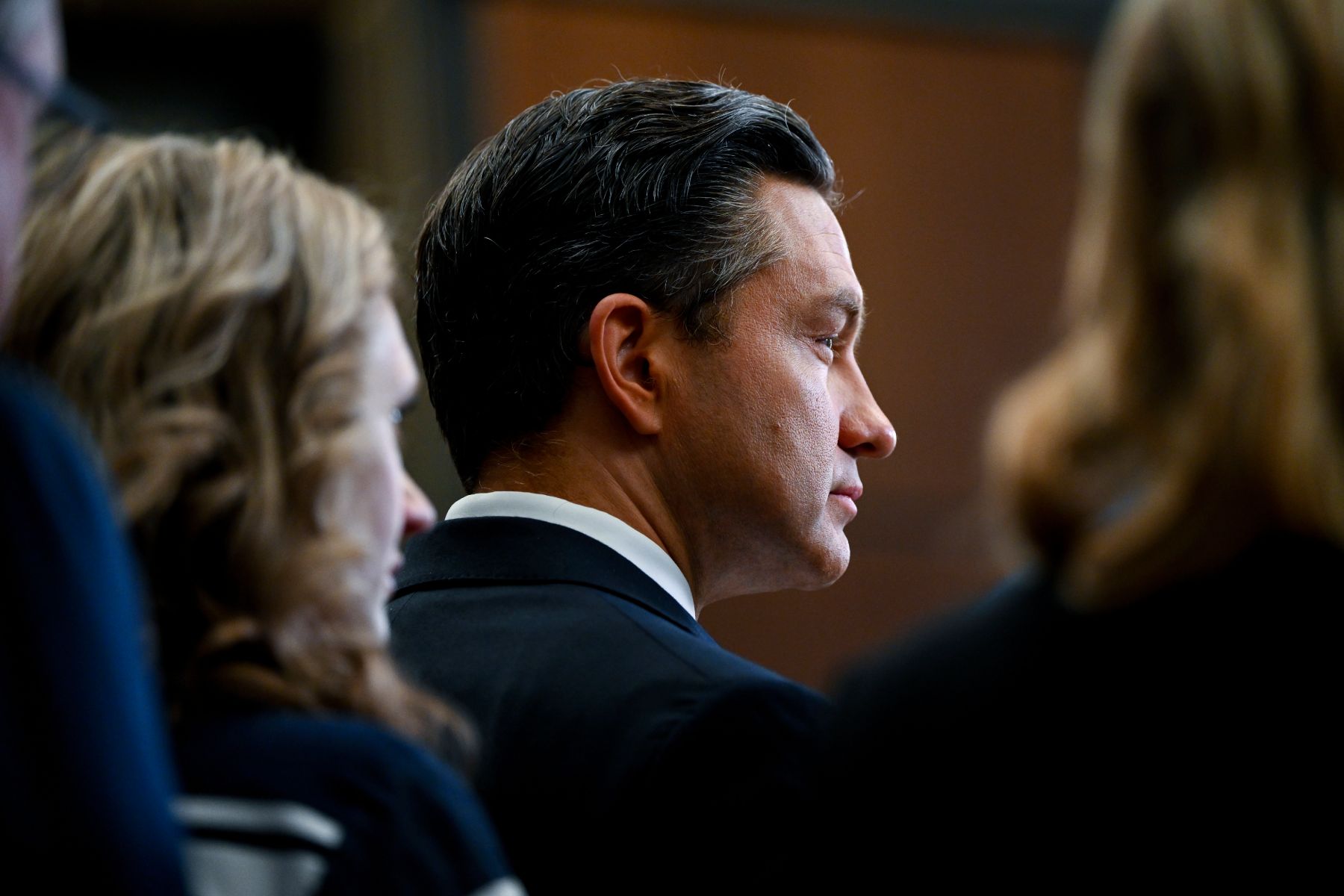
Photo of Pierre Polievre in profile taken from behind him with other people crowding either side of the image.

At Last, Signs of Life in the Conservative Party

The CPC still belongs to Poilievre. But its latest moves suggest it’s preparing for a future without him

BY LINDA THORNBACK

Two side-by-side images. On the left: a man with his arms in the air while holding an Albertan flag. On the right: Alberta premier Danielle Smith talking on a stage while wearing a light pink pantsuit.

The Blueprint Behind Danielle Smith’s Plan to Break Up with Canada

A little-read separatist manifesto is shaping her government’s most controversial moves

BY PATRICK LENNOX

Black and white images of Hillary Clinton, Kamala Harris, and Sarah Palin with a multi-colour overlay

Hillary Clinton, Kamala Harris, and Sarah Palin Have One Thing in Common

Sexism cost them their shot at high office. But I’m hopeful for women in politics

BY SOPHIE GILBERT

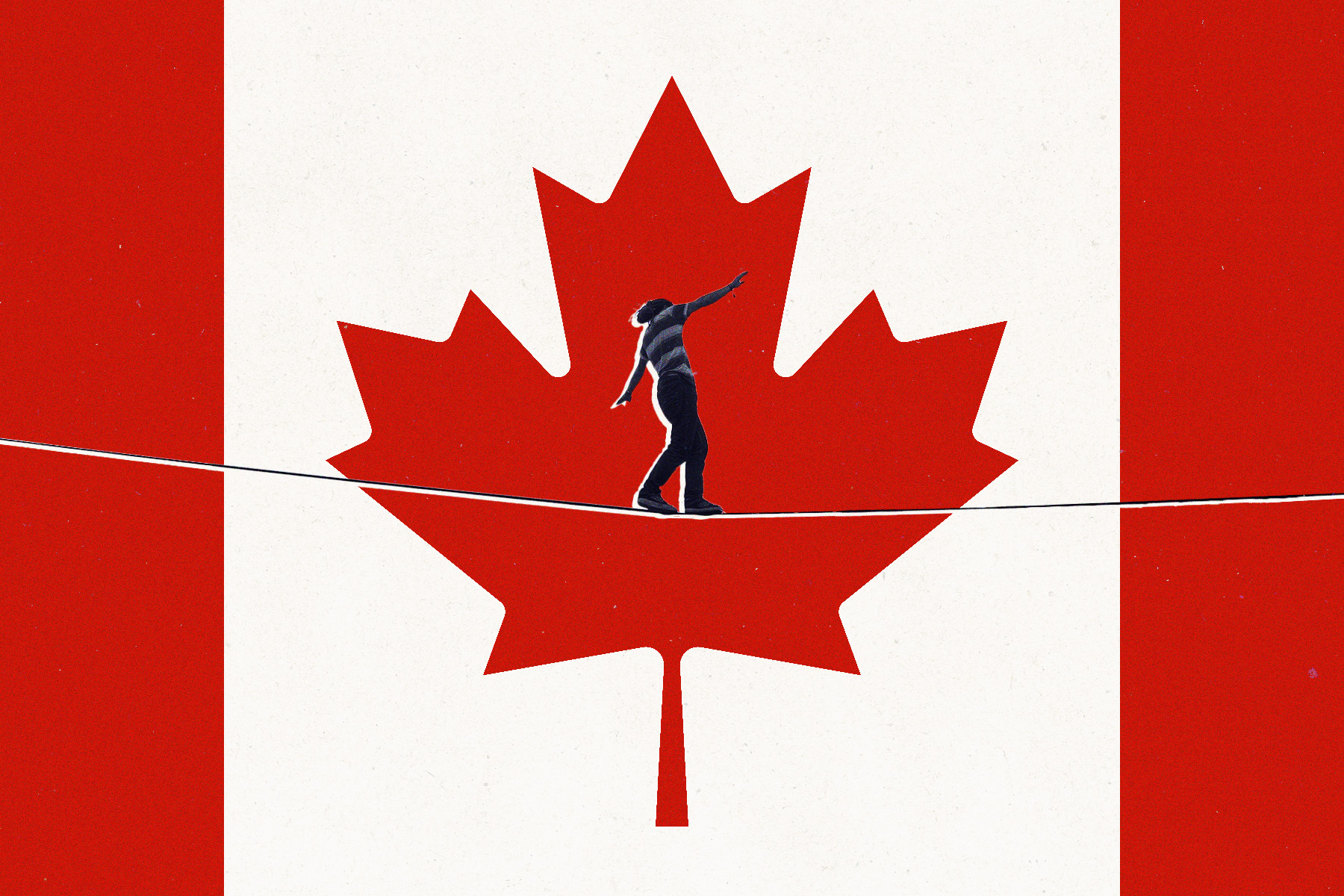
Image of a Canadian flag with a tightrope strung across it. A tightrope walker is walking across in the middle of the maple leaf icon.

The Temporary Foreign Worker Program Can’t Be Fixed

The only way to stop companies from abusing the system is to end it

BY ADNAN R. KHAN

Close up photo of a keyboard with a red "Enter" key; instead of enter, the key reads "Buy" with a small icon of a shopping cart.

Canada Already Has the Tools to Stop Surveillance Pricing


The real problem isn’t a gap in the law. It’s a lack of political will to enforce existing legal principles

BY EMILY OSBORNE

Submit Your Pitch for the Mansbridge Essay

The Walrus is partnering with Peter Mansbridge to launch a new $5,000 essay program supporting emerging writers in Canada. Writers in the first five years of their career are invited to pitch original reported essays for publication in The Walrus.

Submit Your Pitch
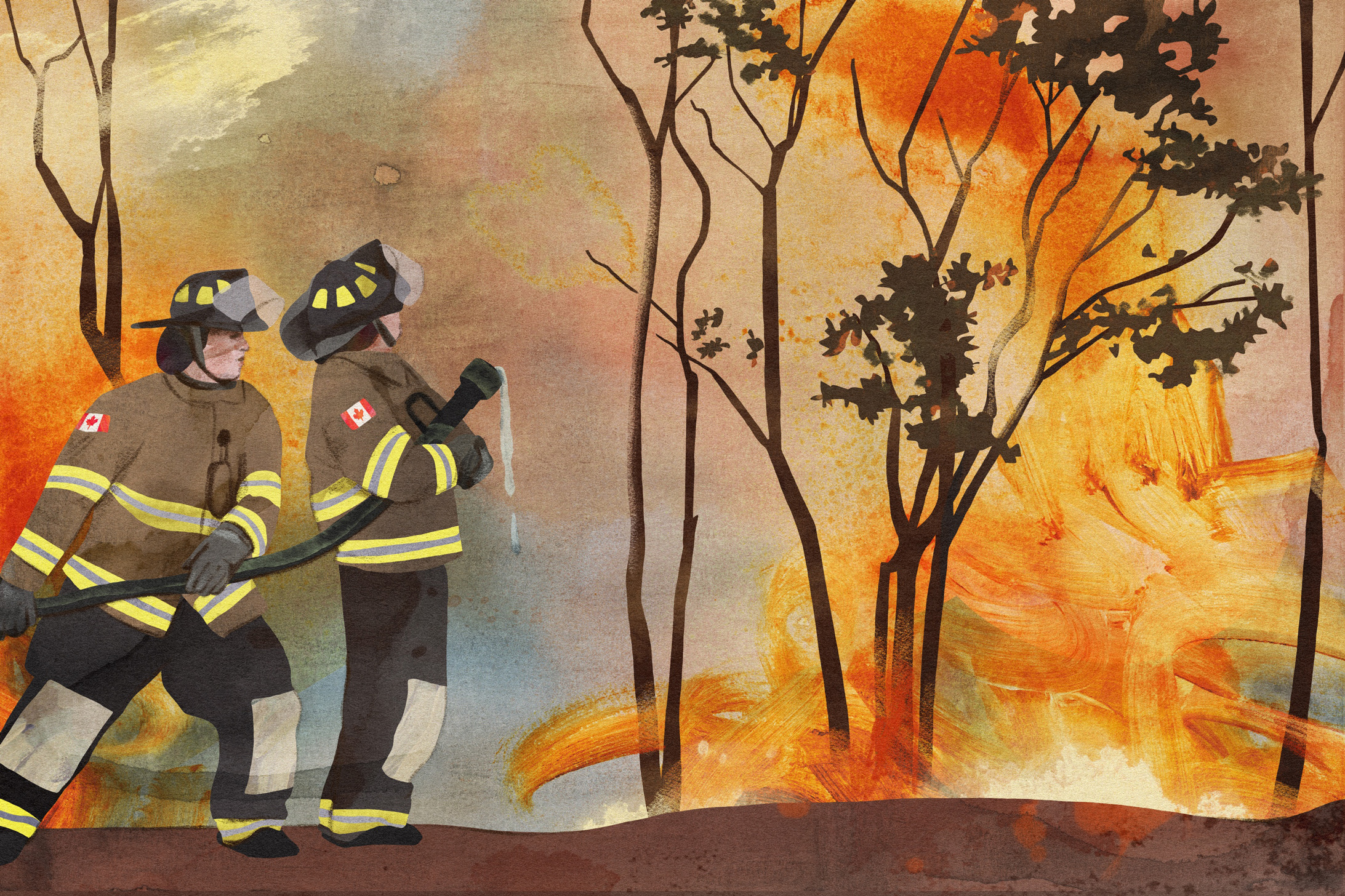
An illustration of two firefighters holding a hose as a fire blazes in a forest

Canada Is Primed to Burn. Why Aren’t We Ready?

The country still lacks the people and equipment to handle our record-breaking wildfires

BY AMY VAN DEN BERG

An illustration of two distorted purple silhouettes, one of which is positioned inside a smartphone.

Canada Has a New Law to Stop Deepfake Nudes. Will It Work?

Penalties under Bill C-16, coming into effect this month, include up to 10 years in prison

BY ELIZABETH SARGEANT

Image of a blond person looking at their phone with the Gander social media app on the screen.

A Canadian Social Network? Don’t Roll Your Eyes Yet

Gander is betting there’s an appetite for a homegrown platform built on trust instead of outrage

BY CARMINE STARNINO, BEN WALDMAN

Photo of a hand holding a glass bottle with a lit rag shoved into it to make a Molotov cocktail with data servers in the background. The image is monochrome red.

The People Who Want to Stop AI by Any Means Necessary

As fear of the technology grows, so does the risk of violent resistance

BY IRA WELLS

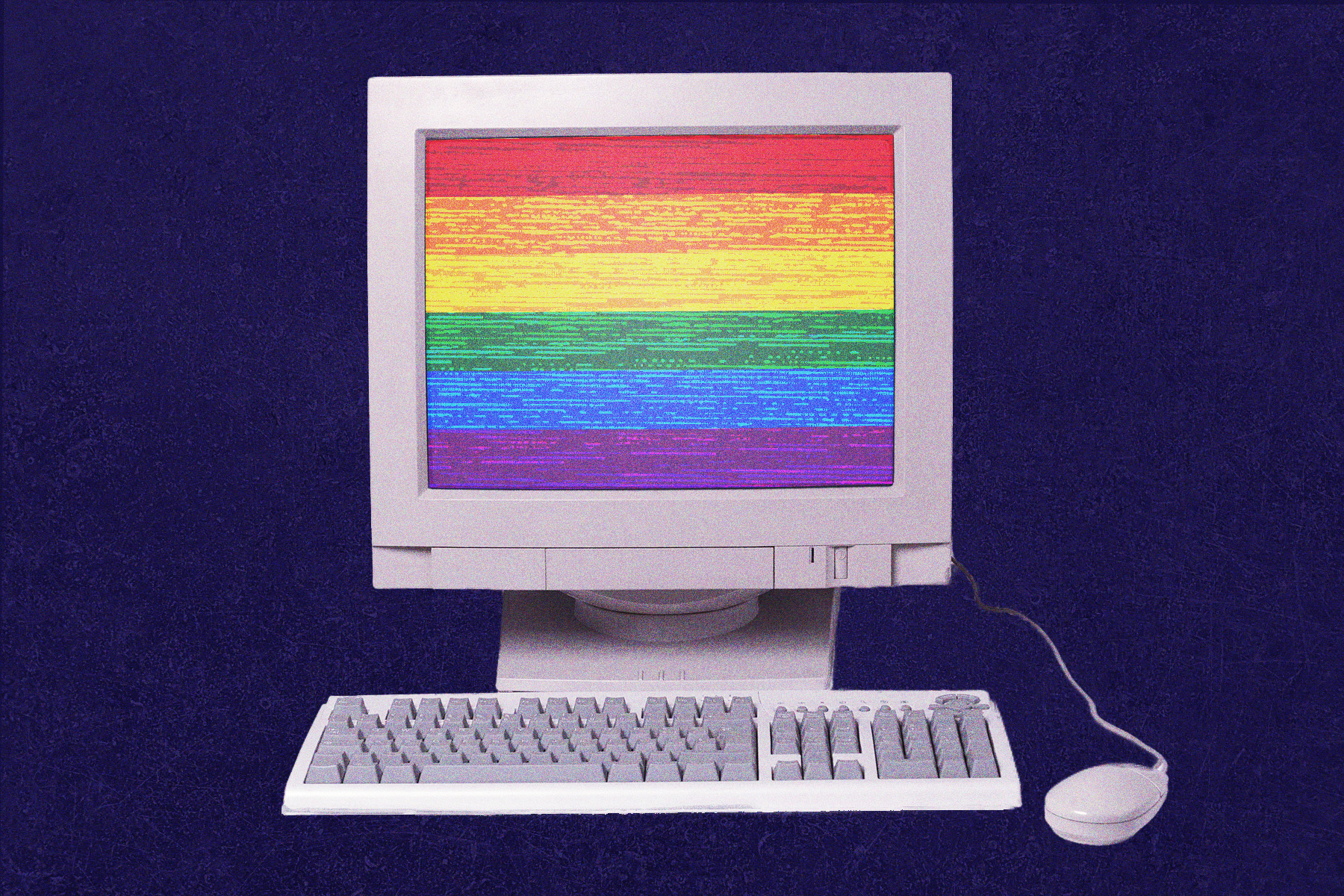
Image of a vintage, white desktop computer displaying a rainbow flag on a dark blue background.

The Internet Is Bad and Getting Worse—Especially for Queer Kids

A broad new law will end up erasing vital spaces and resources

BY LUCY UPRICHARD

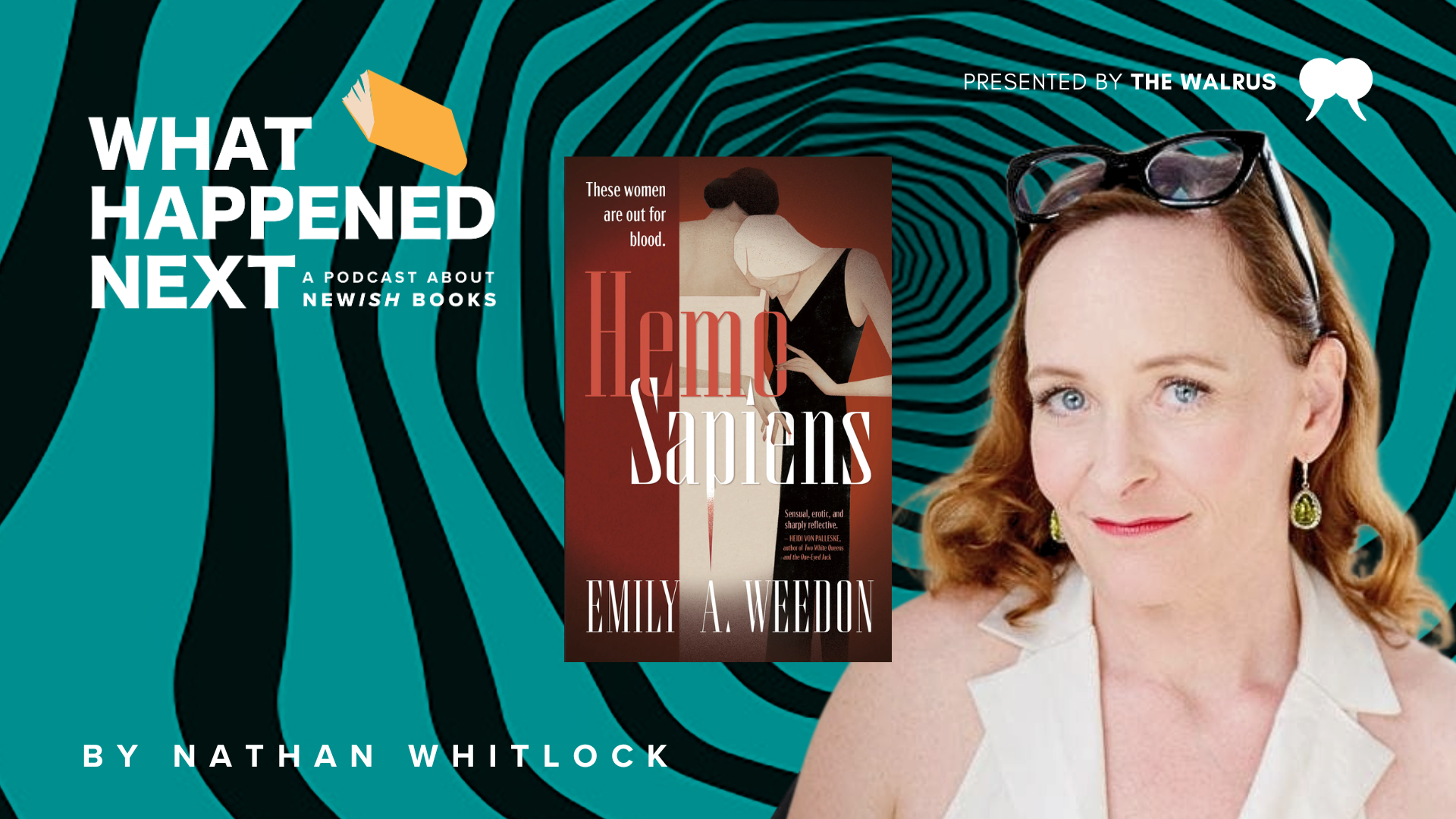
Listen to a New Episode of What Happened Next

Host Nathan Whitlock is joined by Emily Wheedon, author of Hemo Sapiens

FROM THE WALRUS LAB IN PARTNERSHIP WITH WORLD WILDLIFE FUND CANADA.

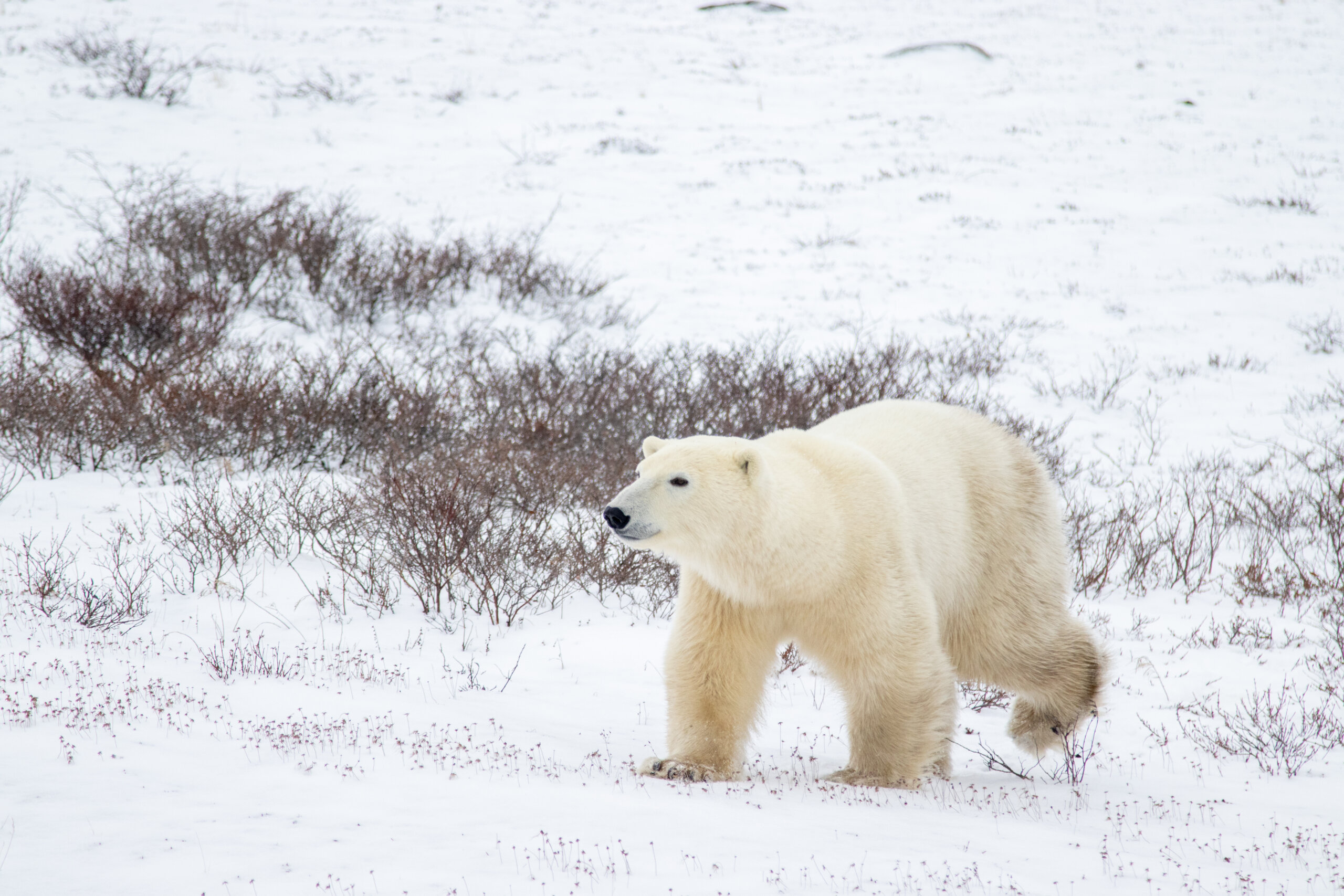
Polar bears in Churchill, Manitoba, Canada.

A Legacy of Love and Conservation

After a trip to Churchill, Manitoba, inspired a deep connection to the Arctic, one family's love of the North became a lasting commitment to protecting it. This moving story explores how a legacy of generosity can help conserve wildlife, support northern communities, and preserve one of Canada's most extraordinary landscapes for future generations.

Read the Story

Pattern Recognition

Sheima Benembarek’s “Why Don’t We Take Stalking More Seriously?” (January/February) investigates the state of criminal harassment and stalking. The failures described are not primarily those of individuals, evidence, or even intent. They are failures of system design. The legal framework for criminal harassment is built to detect episodes, while stalking operates as patterned erosion over time. Harm accumulates through repetition, context, and disruption of normal life, yet the law requires victims to prove fear in a way that is immediate, visible, and legible to a “reasonable person.” What’s missing in our legal response is not punishment severity but pattern recognition. Until criminal harassment law is redesigned to recognize cumulative impact rather than episodic threat, the burden will remain on victims to perform fear convincingly enough for them to be protected. I hope Benembarek’s feature helps shift the conversation from “Why didn’t they report sooner?” to “Why is the system so bad at seeing harm while it’s still preventable?”

Michael Brooke
Thornhill, ON


Read More

Support humans. Support The Walrus.

I enjoy the act of writing: countless revisions and cringeworthy phrases dot the long arc to clarity. Writers, because they’re human, have to deal with “productive friction”: wrangling a draft into existence.

I’m Sheldon, the newest member of The Walrus’s board of directors. I’ve focused professionally on the ethics of artificial intelligence for a decade now. Outlets relying on AI slop are building their houses on sand and deteriorating trust with each “article.”

By supporting The Walrus, you’re supporting humans writing human stories. The Walrus is:

  1. Hiring more contributing writers. They're trusted voices that bring you quality writing.

  2. Investing in fellowships to teach promising writers hard, journalistic skills.

  3. Fact-checking every single story they publish. It’s time consuming but worth it.

Will you join us?


A black and white headshot of Sheldon.

 Sheldon Fernandez

AI Strategist & Board Director, The Walrus

Email Marketing by ActiveCampaign