|
|
|
|
This Week's Round-Up: April 1, 2026 |
|
|
|
|
|
|
|
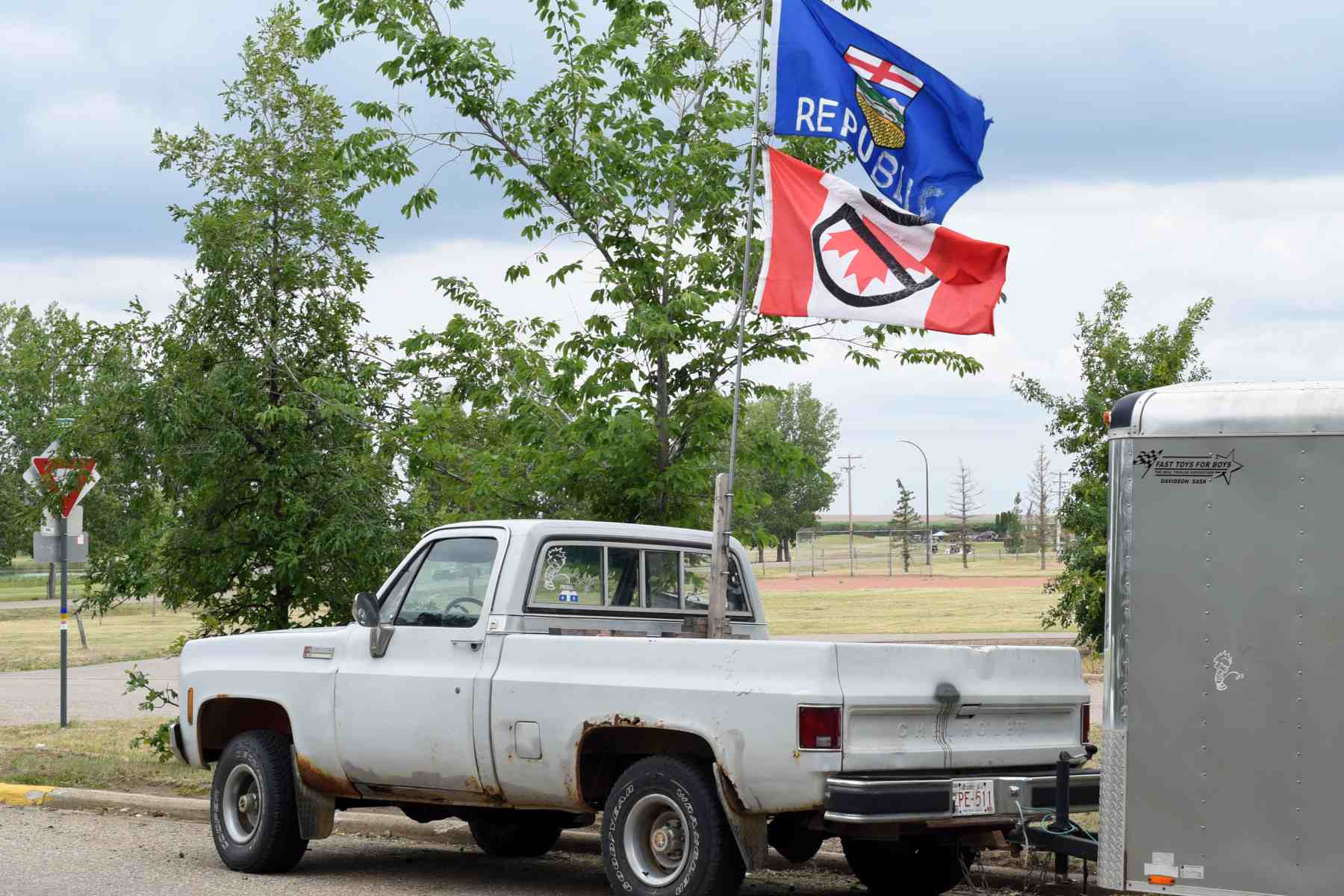
In a world of predatory hegemons, military superiority no longer guarantees strategic advantage
BY MICHAEL IGNATIEFF |
 |
|
American behaviour is so self-harming that something strange may be in play in Washington. We may be watching a predator masking its retreat from global responsibilities with a display of hyper-aggressive behaviour which hides from itself the collapse of its own confidence and imperial resolve. A nation whose national security strategy recently warned Europe of “civilizational erasure” may actually fear its own.
All the more reason to grasp that if predation has its limits, if even predators need rules for the jungle, then it is time for them all to sit down and figure out how to keep the nemesis of power from consuming each of them in turn. The problem is who takes the lead.
|
| Read the Story |
|
|
|
|
|
|
|
|
|
|
|
|
|
|
|
|
|
|
|
|
|
|
|
Stay ahead of the story. The Globe and Mail’s Morning Update breaks down the top headlines of the day, delivering context and insight straight to your inbox. Sign up today and stay informed on what’s shaping Canada and the world.
This is a message from our friends at the Globe and Mail. |
|
|
|
|
|
|
|
|
|
|
|
 |
|
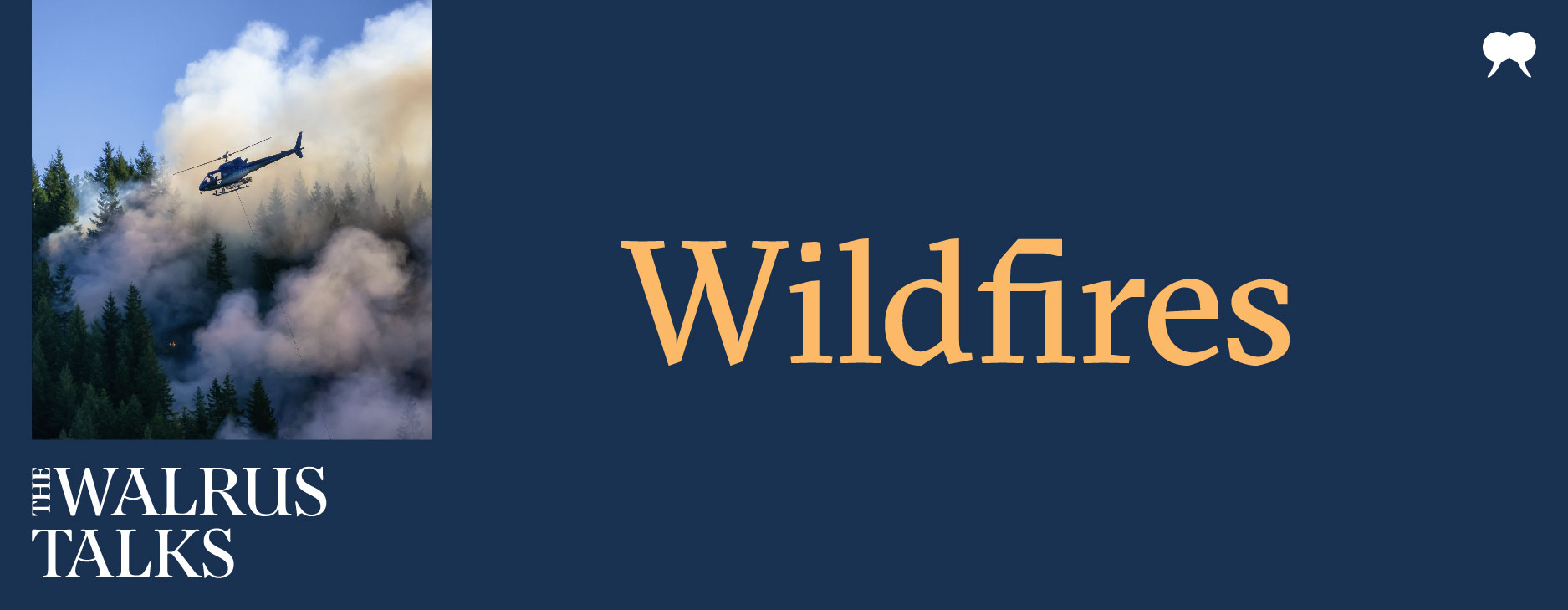
Wildfires are no longer a once-a-year emergency in Canada. With smoke and other side-effects now crossing provincial and national borders, Canadians are asking not whether this will continue, but how we respond.
Join us at The Walrus Talks Wildfires to hear from leading experts, engage with the latest research and perspectives, and explore promising solutions that can shape Canada’s response. |
| Join Us |
|
|
|
|
A MESSAGE FROM THE WALRUS LAB IN PARTNERSHIP WITH DELOITTE |
 |
|
Inside a Strategy for Growth and Innovation |
|
How is Ontario navigating trade, innovation, and long-term growth in a shifting global landscape?
In this episode, Minister Vic Fedeli shares how the province is approaching economic strategy through bold policies and targeted investments. Drawing on experience in both government and business, the conversation highlights lessons in resilience, collaboration, and the importance of planning for long-term prosperity. |
| Listen and Subscribe |
|
|
|
 |
|
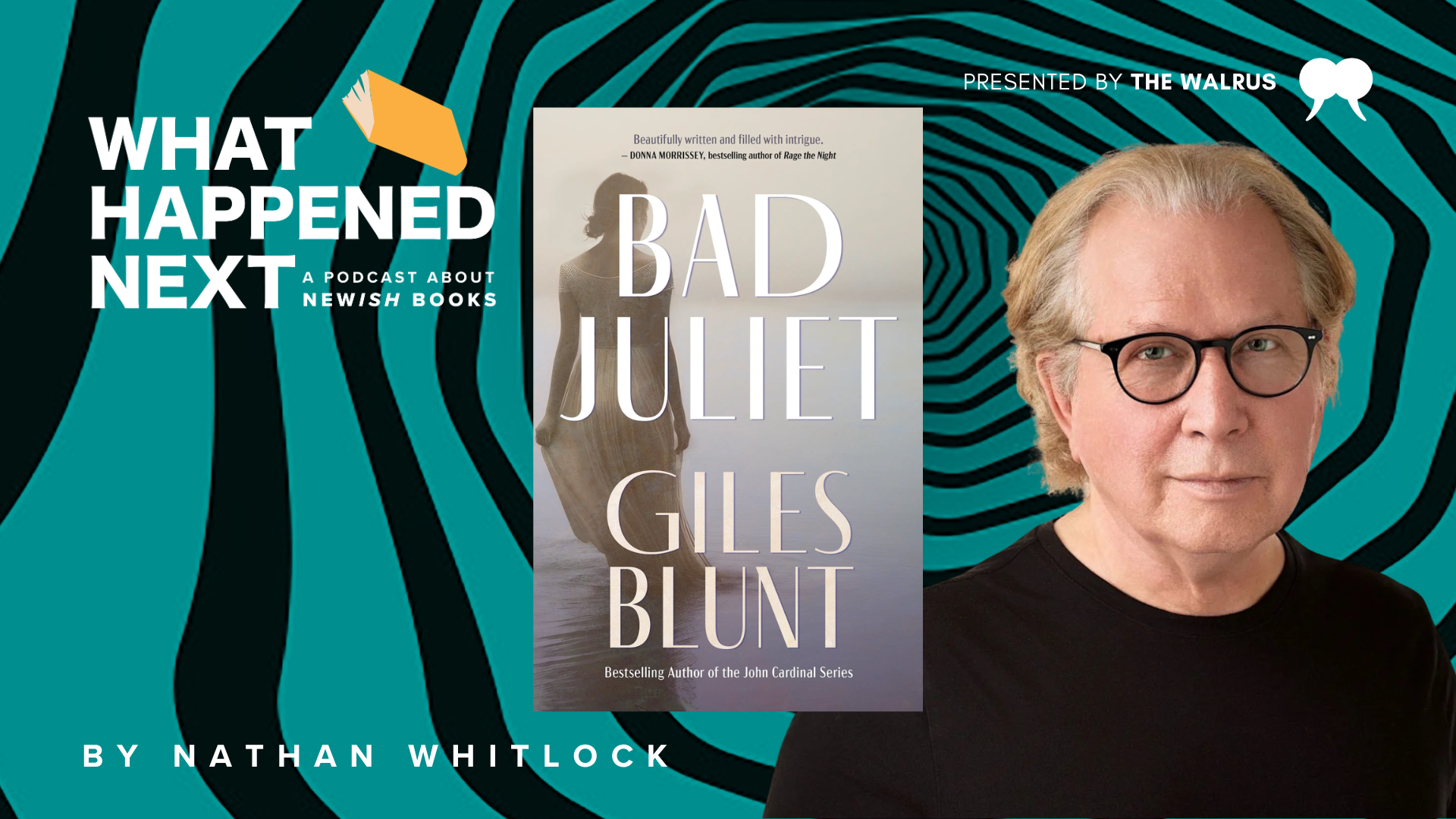
This week on What Happened Next, host Nathan Whitlock is joined by Giles Blunt, whose most recent book is the novel Bad Juliet. He talks to Nathan about the shift from crime writing to historical fiction that Bad Juliet represents; about the notes to himself he will sometimes insert into his manuscripts, indicating his intention to quit writing them; and about why his most recent book has been harder to let go of than anything else he has written. |
| Listen Now |
|
|
|
|
|
Will you help us beat our goal? |
|
I’m Brett, a contributing writer with The Walrus. This winter, I reported from Nuuk, Greenland, the quiet capital transformed by the threat of an American invasion into an unlikely stage for a global showdown.
What struck me was how deeply the threats had unsettled residents. People were on edge. But I was also struck by their willingness to share their stories.
The Walrus knows you need to hear from people who live in these places, and from reporters who are actually there. When you support The Walrus, you’re supporting real journalism.
The Walrus is investing in on-the-ground reporting while other newsrooms are getting slashed by corporate owners. We need your help to send writers where they should be.
Our goal was to raise $30,000 before the end of the month. Will you join the 400 members who've donated already?
|
|
|
|
|
— Brett Popplewell
Contributing Writer, The Walrus |
|
|
|