Share
Email

Conservatives need to do their job
 ‌ ‌ ‌ ‌ ‌ ‌ ‌ ‌ ‌ ‌ ‌ ‌ ‌ ‌ ‌ ‌ ‌ ‌ ‌ ‌ ‌ ‌ ‌ ‌ ‌ ‌ ‌ ‌ ‌ ‌ ‌ ‌ ‌ ‌ ‌ ‌ ‌ ‌ ‌ ‌ ‌ ‌ ‌ ‌ ‌ ‌ ‌ ‌ ‌ ‌ ‌ ‌ ‌ ‌ ‌ ‌ ‌ ‌ ‌ ‌ ‌ ‌ ‌ ‌ ‌ ‌ ‌ ‌ ‌ ‌ ‌ ‌ ‌ ‌ ‌ ‌ ‌ ‌ ‌ ‌ ‌ ‌ ‌ ‌ ‌ ‌ ‌ ‌ ‌ ‌ ‌ ‌ ‌ ‌ ‌ ‌ ‌ ‌ ‌ ‌ ‌ ‌ ‌ ‌ ‌ ‌ ‌ ‌ ‌ ‌ ‌ ‌ ‌ ‌ ‌ ‌ ‌ ‌ ‌ ‌ ‌ ‌ ‌ ‌ ‌ ‌

This Week's Round-Up: July 27, 2026

How Canada Keeps the Conservatives Shut Out of Power

First-past-the-post has failed our democracy. Here’s a way to make it truly representative

BY DÓNAL GILL AND ISAAC PELTZ

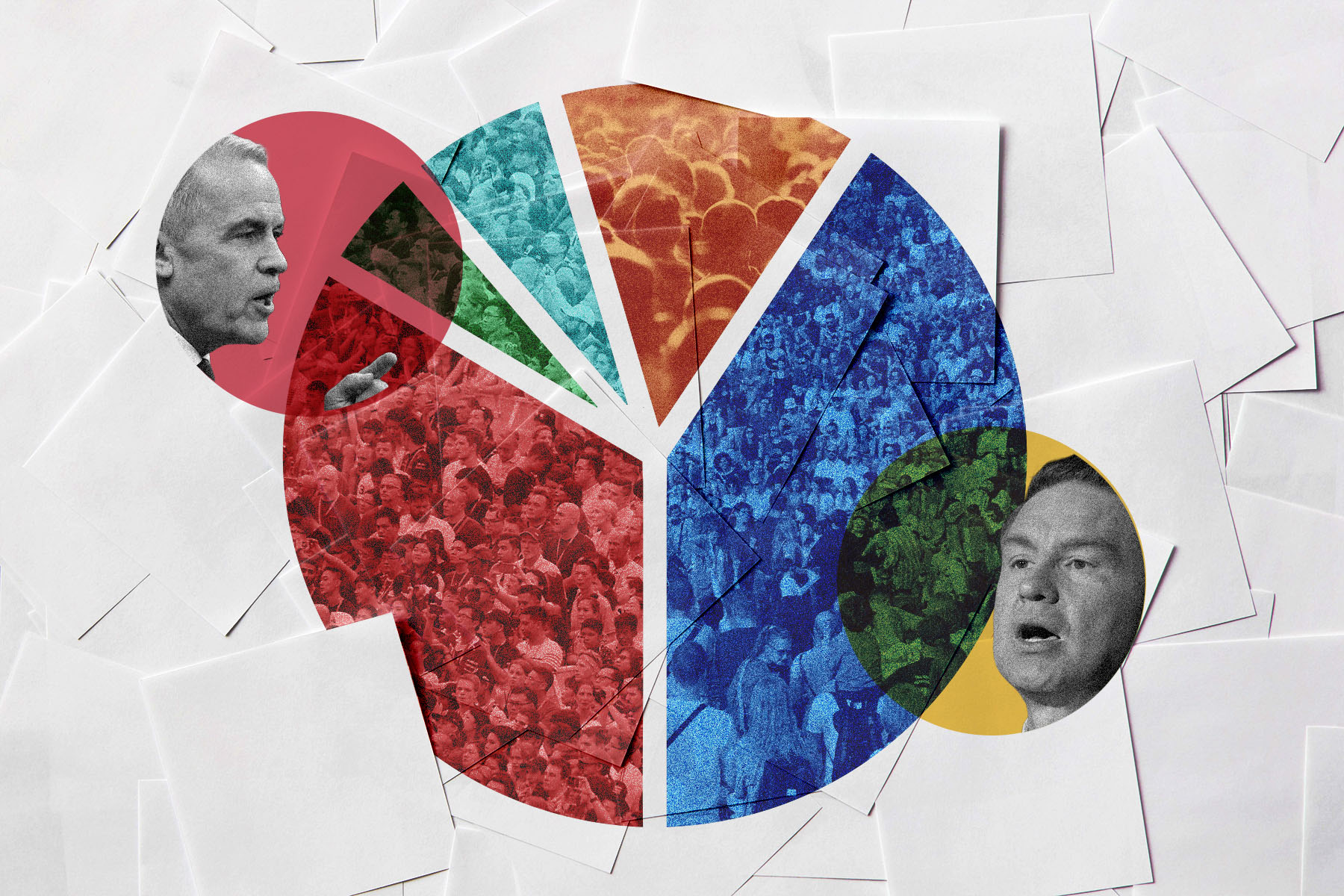
Illustration of a pie chart with the wedges containing images of crowds of people. Two smaller circles depict Mark Carney and Pierre Poilievre on the sides of the main chart.

The way the Liberals win so consistently is simple: Canada’s first-past-the-post system advantages them as their support is broad and across Canada, allowing them victories in a plurality of ridings, as opposed to the Conservatives, who have their vote concentrated in the west.

What would Canada’s electoral map look like under a different system? Political pundits have debated that for years. We designed an algorithm to show how a proportional representation system might transform Canada. The data is clear: this system will better represent the electorate. Our model shows that other parties would be able to consistently win federally and provincially.


Read or Listen to the Story
Photo of opposition leader Pierre Poilievre with press microphones being pointed at him.

Conservatives Are Failing at the One Job That Matters

The party can’t hold Carney to account while it’s busy feuding with itself


BY B. E. RYBAK

Photo of US president Donald Trump pointing at the camera taking the picture.

Trump’s New Tariffs Are Designed to Tear Canada Apart

Washington can now reward some provinces and punish others. The political danger may be considerable


BY CARLO DADE

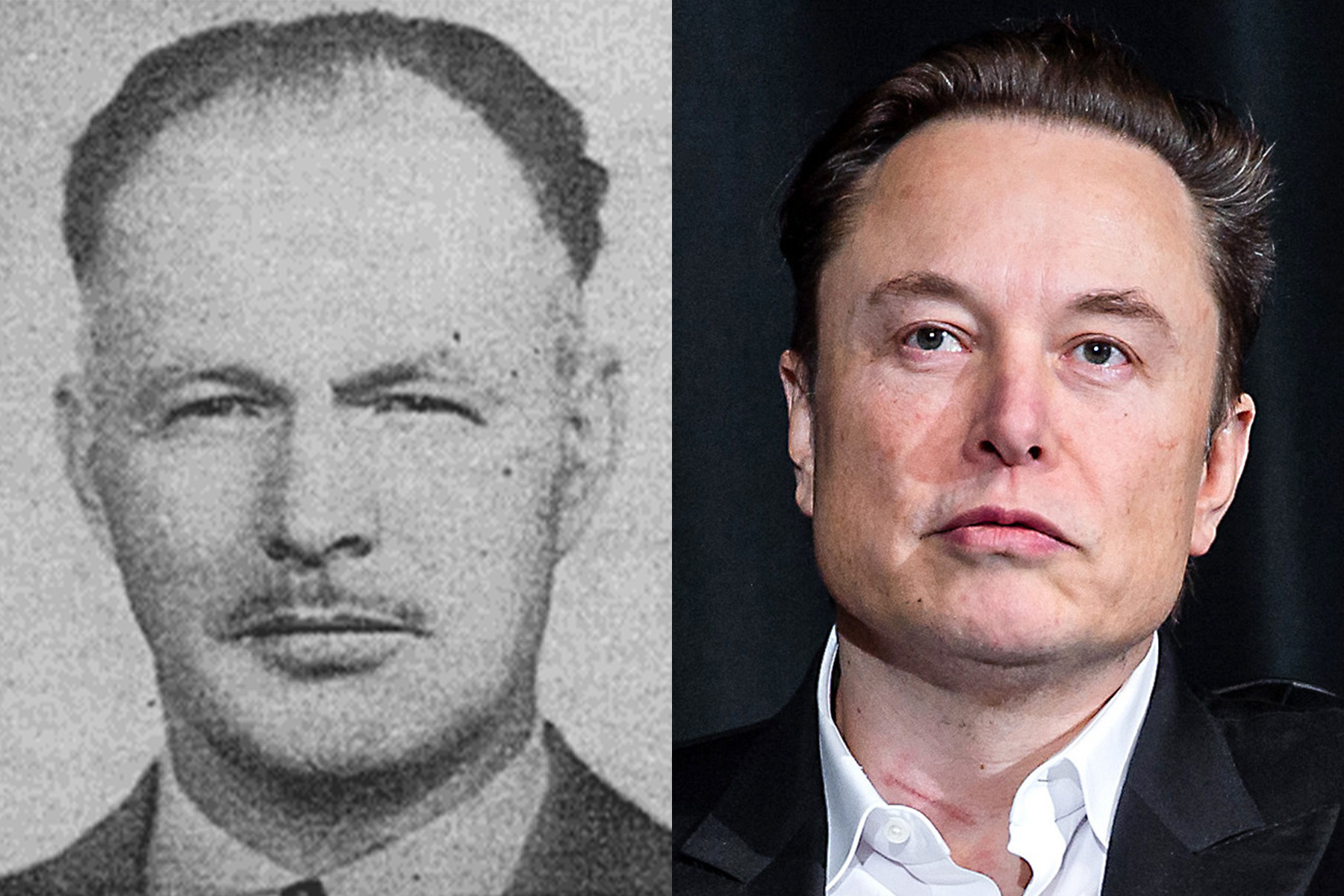
Side by side photos of Elon Musk and his grandfather.

The Time Elon Musk’s Grandfather Almost Exposed the Atomic Bomb

A speech at a fringe political convention sent Canada’s wartime censors into a panic

BY MARK BOURRIE

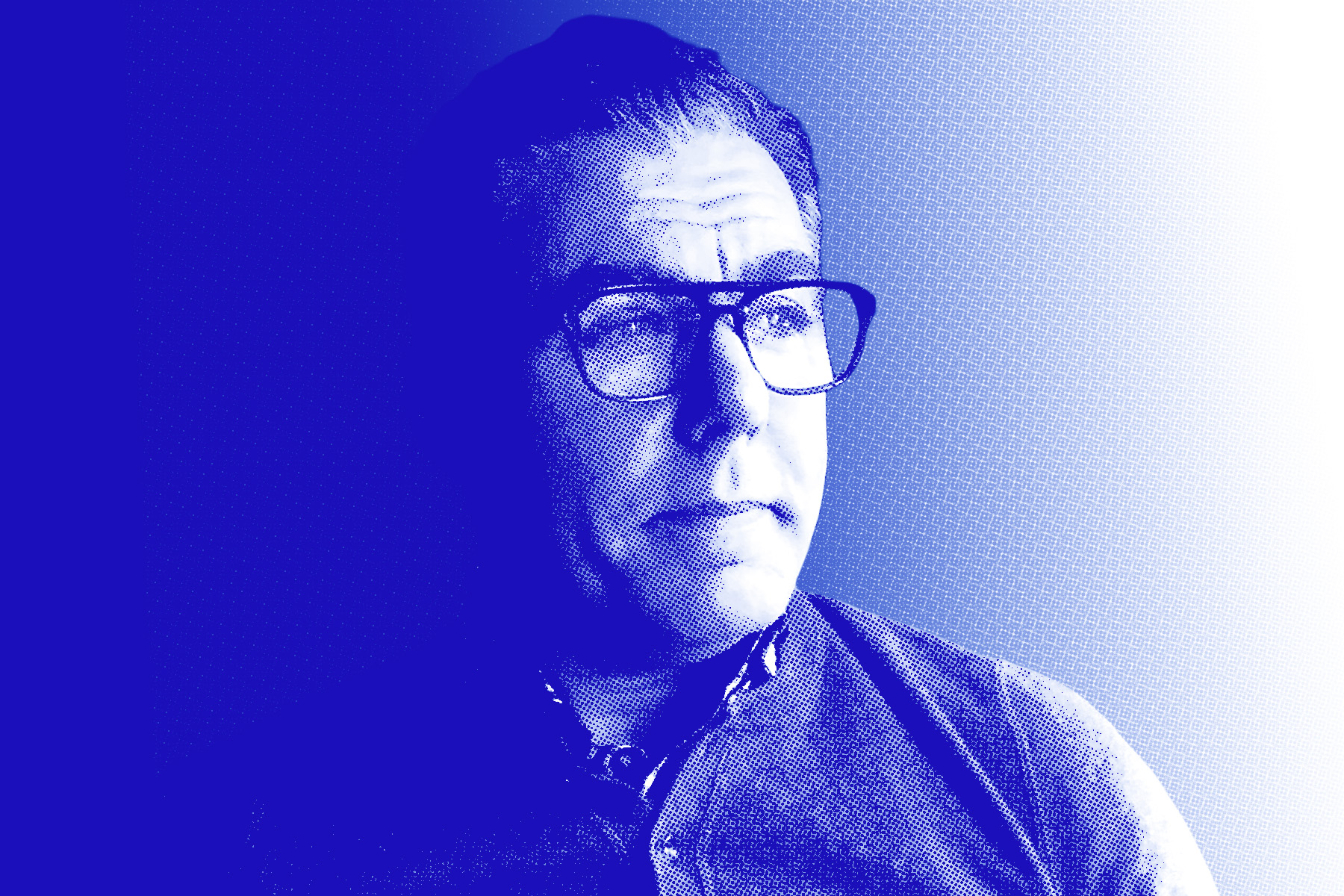
Monochrome blue photo of a man wearing glasses.

Big Tech Could Stop the Spread of Child Abuse Images. Why Doesn’t It?

Award-winning investigative reporter Robert Cribb says the technology already exists. The will does not

BY JOSHUA KNELMAN

Photo of a skyscraper tower with a mountain range in the background

Why Canada’s Empty Condos Won’t Solve the Housing Crisis

The latest rent-to-own plan in BC does little for the people who need affordable housing most


BY JESSICA BARRETT

Illustration of a blond woman sitting in front of a desktop computer. Email icons are coming out of the screen, obscuring her face.

I Have 61,966 Unread Emails—and I Don’t Care

Pick out the important messages and leave the rest. It’ll change your life

BY COURTNEY SHEA

Are you Team Inbox Zero or Team Inbox Infinity?

Aside from making sure you get The Walrus newsletter in your inbox, how do you handle your inbox overload? Share your tips, tricks, and disaster stories at audience@thewalrus.ca.

Email Us
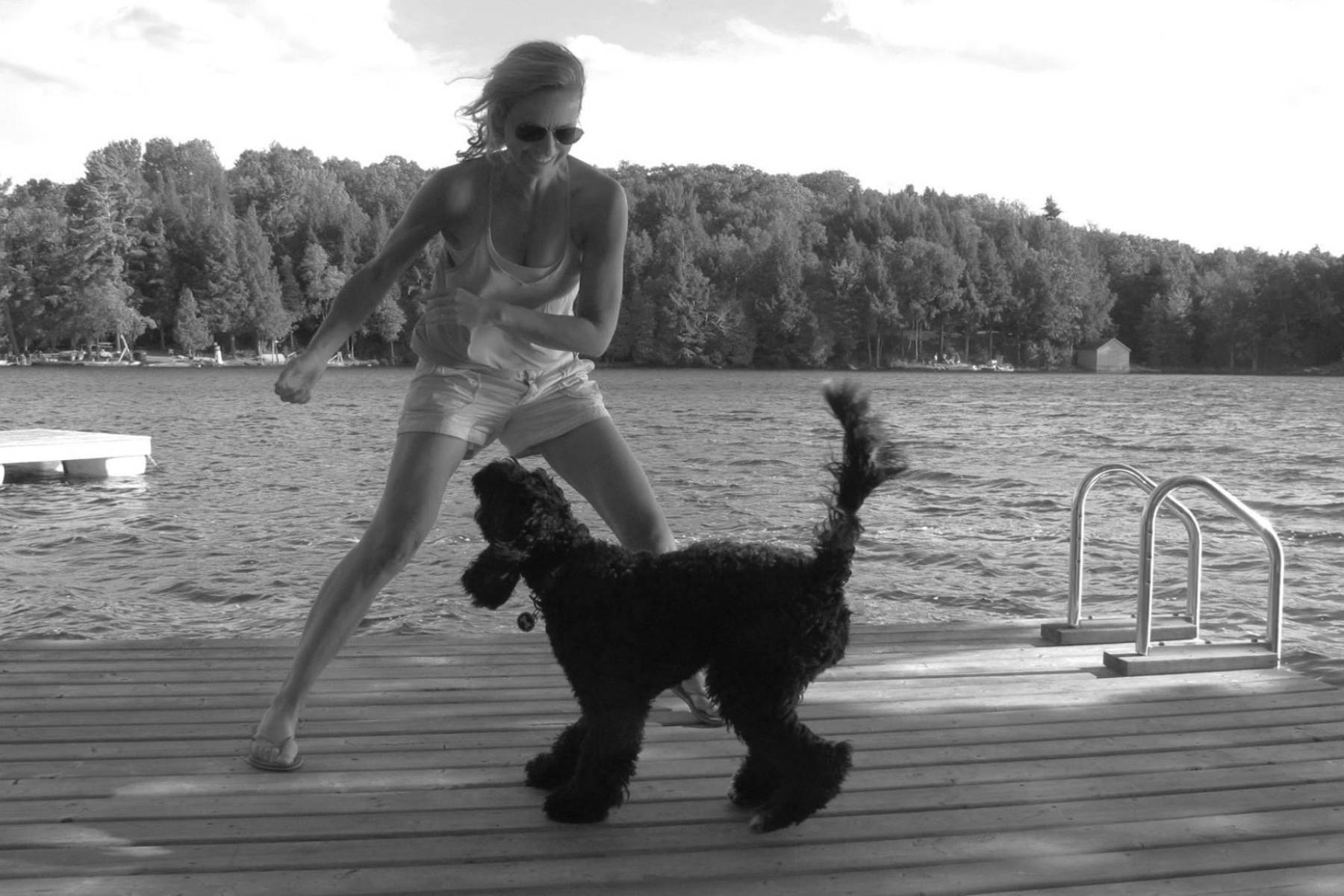
Black and white photo of a woman on a wooden dock in shorts, a tank top, and flip-flops playing with a black dog.

The Trouble with Loving a Dog

They will eventually leave you facing a grief few people know how to measure


BY MICHELLE SHEPHARD

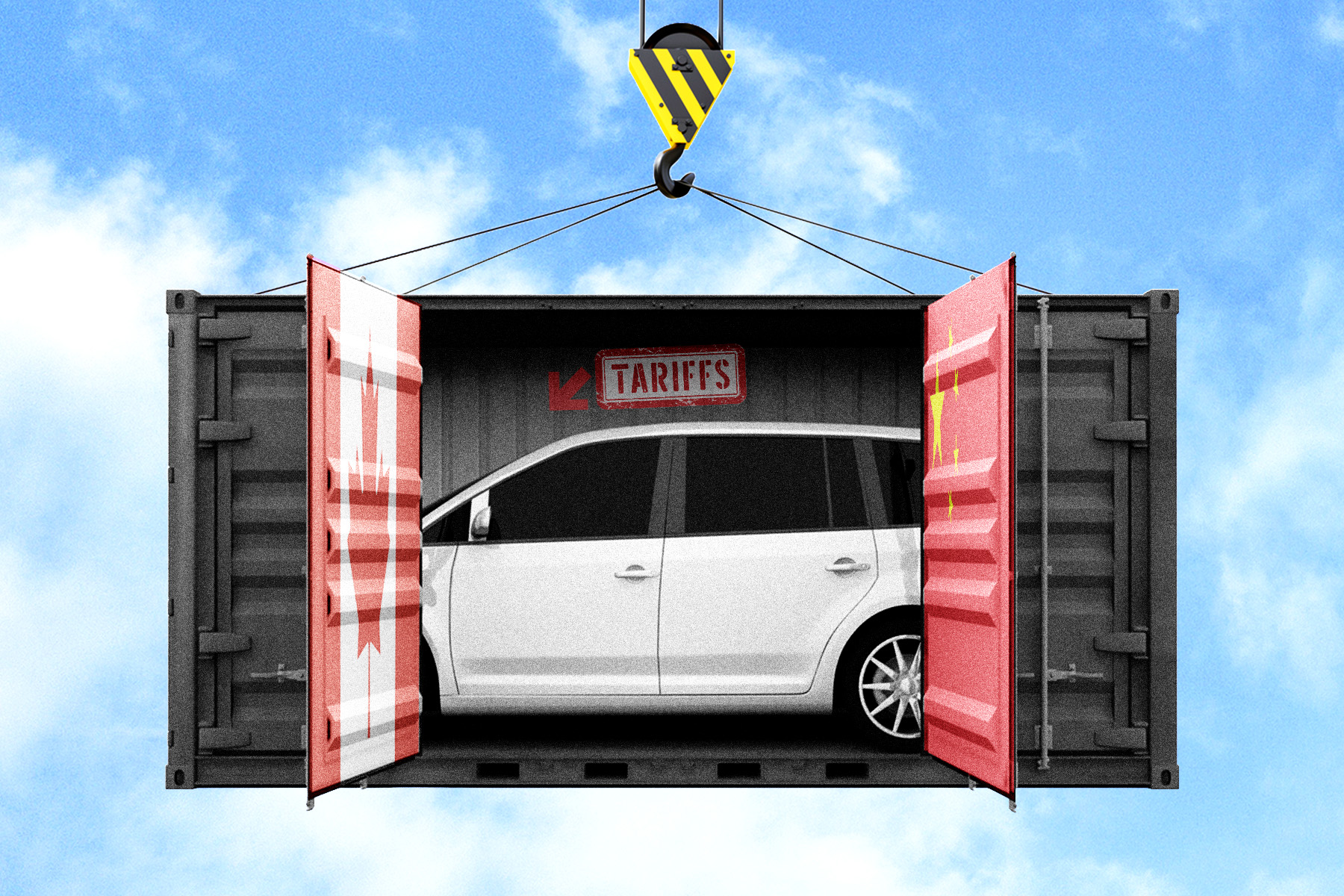
Photo of a dark grey shipping container on a crane hook. Doors on its side are open to reveal a white car. The background is a blue sky with white clouds.

I Set Out to Test-Drive a Chinese EV. Here’s What It Taught Me about Carney’s New Deal

49,000 imported cars may remake our entire auto industry

BY SHILPASHREE JAGANNATHAN

Monochrome blue image of a closeup of the planet Earth focused on North America

Why I Stopped Trusting Foreign Policy Experts

After Iraq, Afghanistan, and Iran, I learned that it’s easy to bullshit at the highest levels

BY PAUL WELLS

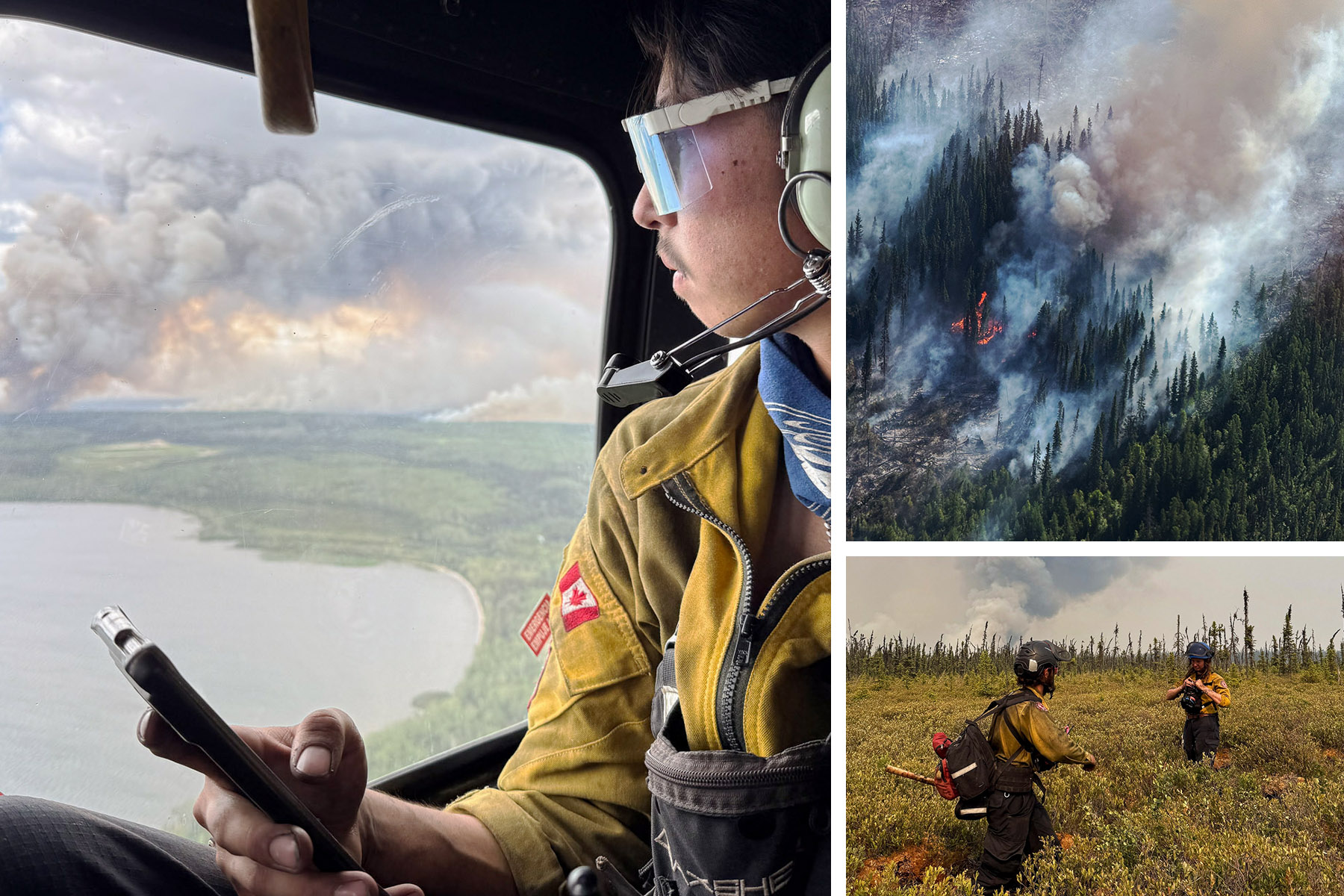
Collage of three photos. Left: a man in a helicopter holding a phone in his hand and looking out the window to see the smoke of a forest fire. Top right: a forest of coniferous trees on fire. Bottom right: two firefighters standing in a field with trees in the background.

The First Nations Firefighters Racing Toward Canada’s Biggest Blazes

These elite crews are often the first to arrive—and the last to leave

BY TRINA MOYLES

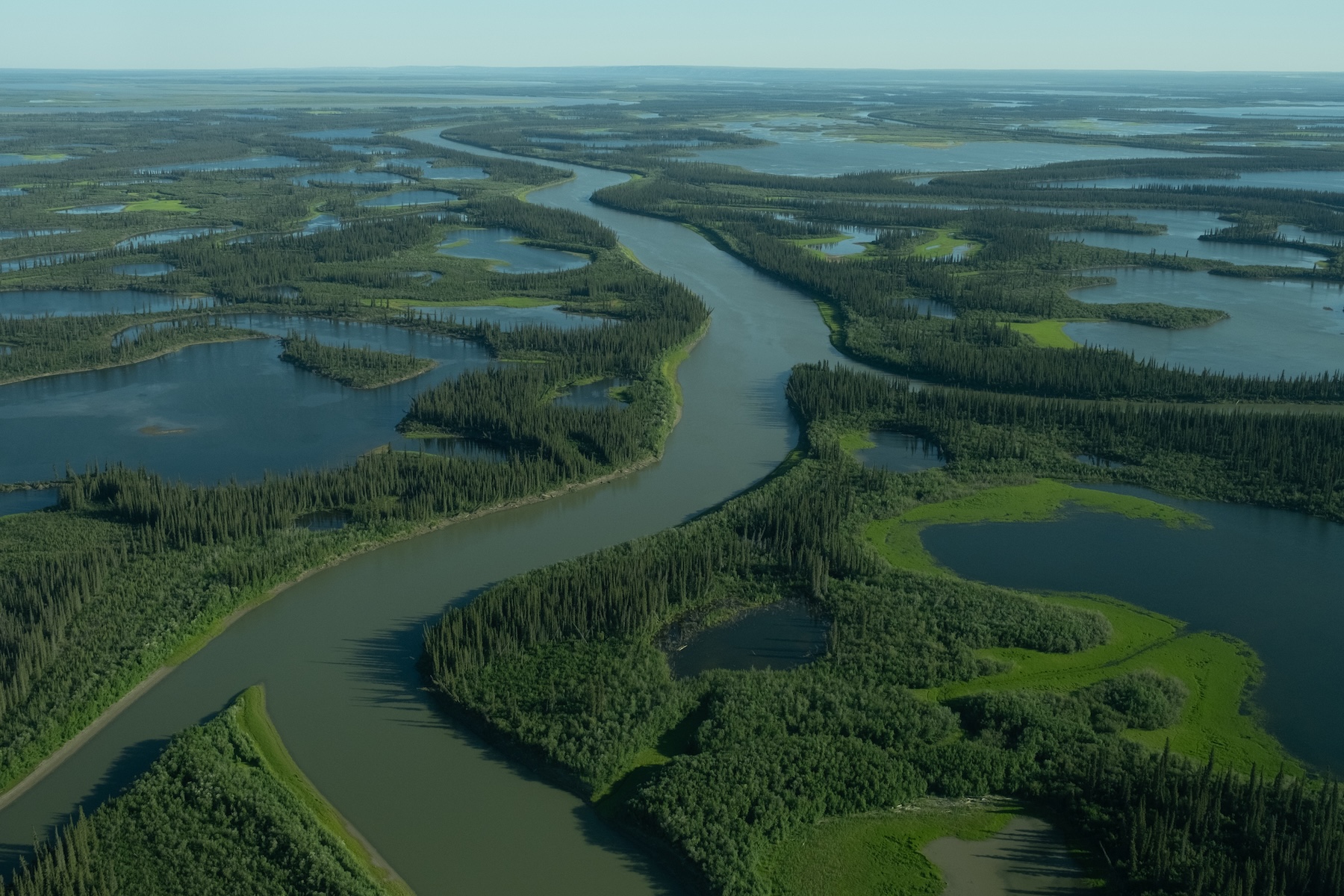
Aerial photo of a sprawling river system cutting through a marshy, green landscape.

Why Two New Highways Are a Very Big Deal for the North

They would connect remote communities, but also boost access to minerals and resources

WORDS AND PHOTOS BY PAT KANE

Photo of a man in a white shirt surrounded by policemen in khaki-coloured shirts.

Is Canada Letting India Get Away with Murder?

New Delhi is using Ottawa’s silence to absolve itself of the killing of Sikh separatist Hardeep Singh Nijjar

BY SUSHANT SINGH

Image of a hand holding a phone with a man's dating app profile on it. other screens surround it in a carousel depicting different profiles.

Dating Apps Left Me Wondering: Do Men Not Want to Have Sex?

I’m tired of chasing guys who sext screenfuls of porn and emojis

BY TREENA ORCHARD

Listen to a New Episode of What Happened Next

Host Nathan Whitlock is joined by Jason Schneider, author of That Gun in Your Hand

FROM THE WALRUS LAB IN PARTNERSHIP WITH THE AGA KHAN MUSEUM. THE MUSEUM WISHES TO THANK NADIR AND SHABIN MOHAMED FOR THEIR FOUNDING SUPPORT OF THIS BEING HUMAN.

Redefining Qawwali: Tradition, Innovation, and the Power of Music

Growing up in Lahore, Pakistan, Mekaal Hasan was surrounded by the sounds of South Asian music and inspired by his father, a music critic and columnist. His lifelong connection to music has shaped a career dedicated to bridging traditional musical forms with contemporary genres like rock, jazz, and fusion.

In the new episode of This Being Human, Mekaal Hasan shares his journey as a composer, performer, and founder of the Mekaal Hasan Band. The episode explores the evolution of Qawwali music, the importance of preserving cultural traditions, and how music can connect communities, uplift artists, and create new possibilities across generations.

Listen

Child’s Play

In “Leave the Kids Alone” (March/April), Simon Lewsen lays out with great care the societal shame cast on those who do not parent their children “well enough.” Yet I can’t help but assume that low-income families are more likely to suffer from this blame than families with means. Living in a lower-income neighbourhood, the level of perceived safety automatically decreases. Families who live in nicer, and therefore “safer,” neighbourhoods have an easier time allowing their kids to walk to school alone or play in the neighbourhood without facing as much backlash—and therefore have more time on their hands to complete household chores, for leisure, and to invest in their careers. Coming from Nanaimo, BC, I feel the disparity of apparent “safety” based on location is something that’s communally agreed upon. Despite Nanaimo being, overall, a pretty safe place to live, the further south you go, the less safe it is considered to be; the buildings are older, and the housing is generally cheaper. Homelessness runs a lot more rampant, and with that comes an increase in public drug use. But I just wonder how much of this danger is actually a direct threat to children versus public perception.

 .

Masha Zhaksybek
Nanaimo, BC


Read More

Be the reason the facts get checked.

Fact-based journalism doesn’t happen by accident: it requires time and expertise. For a recent story, one of our fact checkers called twenty-two sources and reviewed 476 documents over the course of several weeks. Research departments are often among the first cuts when newsrooms shrink, but The Walrus is doing the opposite by growing:

  1. We recently hired our first ever full-time staff fact checker.

  2. We’ve brought on a freelance fact checker on retainer so we can publish breaking stories quickly without compromising our verification standards.

  3. We train early career journalists in the craft via our editorial fellowship program.

We’re able to continue this work thanks to the 900 readers who’ve donated so far this year. Will you join them?


Allison Baker

Head of Research, The Walrus

Email Marketing by ActiveCampaign