|
|
|
|
This Week's Round-Up: April 6, 2026 |
|
|
|
|
|
|
|
New research suggests people know images and headlines are false but share them anyway
BY JUSTIN LING |
 |
|
The Donald Trump administration has blessed Big Tech’s mass prescribing of opiates to the masses while bringing influencers closer and pushing journalism further away. The White House’s Twitter account and a band of conspiracists in the press pool have become far more important for the administration than the New York Times, and the public has largely gone along with this change. His oligarch friends have managed to dismantle institutions like CBS and the Washington Post from within—not even bothering to turn them into a sycophantic press. That role is reserved for the predictable slavish obedience of Fox News and for an army of digital soldiers, each feeding the high-velocity content machines.
|
| Read the Story |
|
|
|
|
|
|
|
|
|
|
|
|
|
|
|
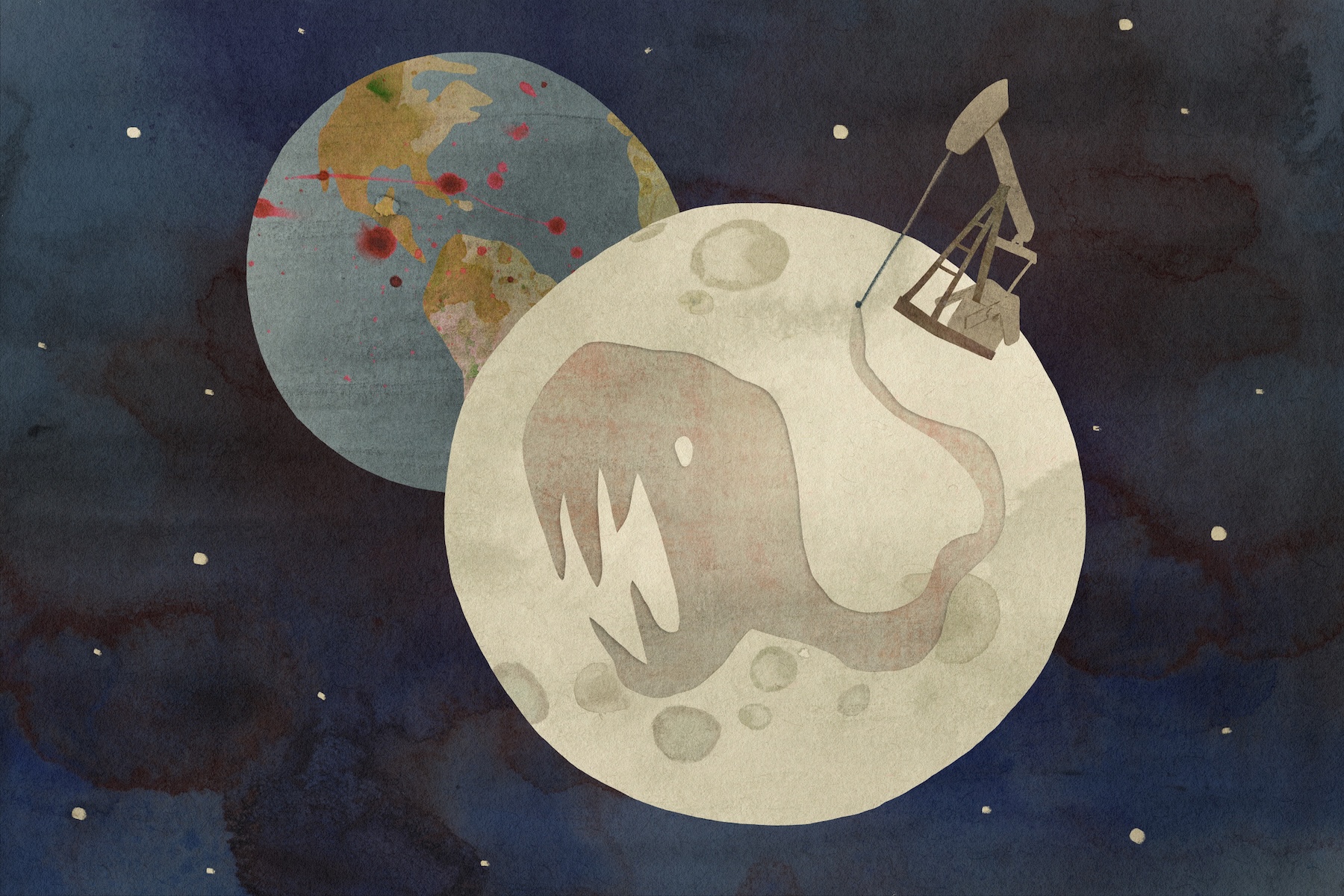
As data centres expand and strain already overwhelmed power grids, hyperscaled data centres stand out for how much more energy they consume compared to standard facilities. Approximately how much energy does one hyperscaled data centre use? |
|
|
|
|
|
|
|
|
|
|
|
|
|
|
|
|
|
 |
|
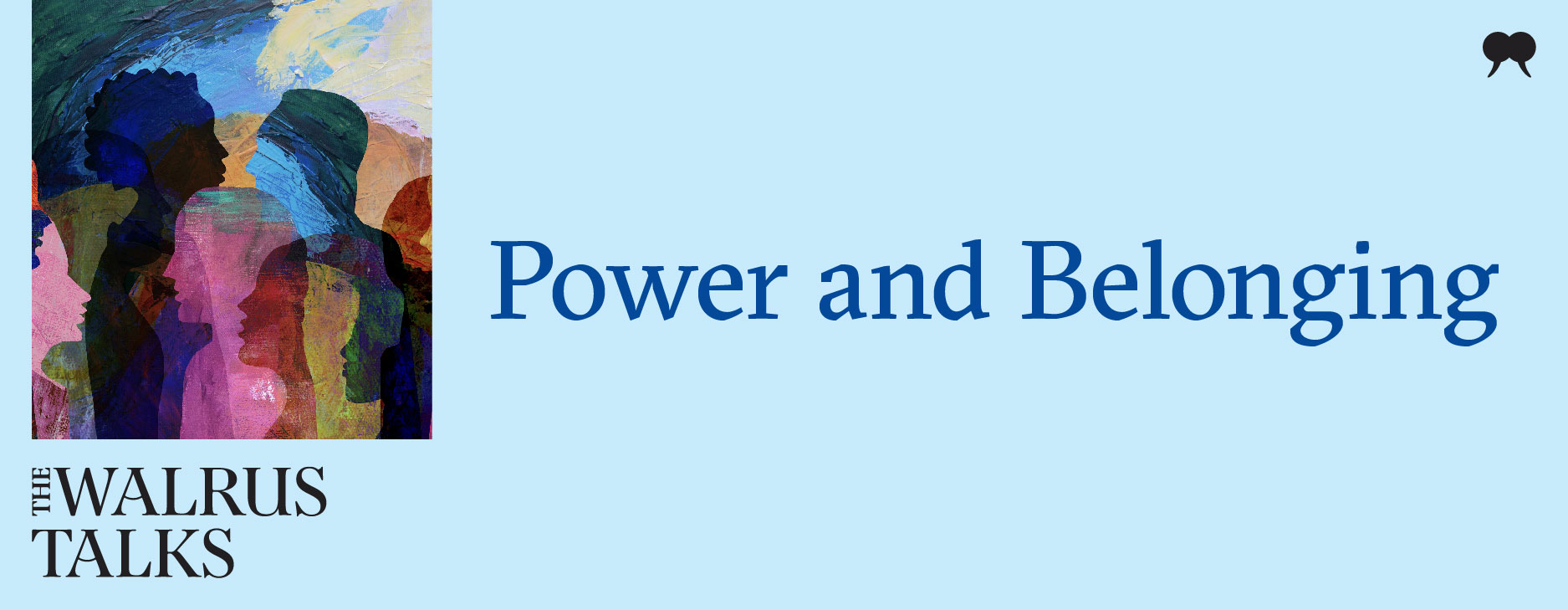
From democracy and civic participation to education, economic systems, and cultural identity, join us live in Toronto or online for The Walrus Talks Power and Belonging to hear fast-paced talks exploring the power to participate, be heard, and connect with others around shared purpose. |
| Join Us |
|
|
|
|
A MESSAGE FROM THE WALRUS LAB IN PARTNERSHIP WITH WILSON COLLEGE OF LEADERSHIP AND CIVIC ENGAGEMENT AT MCMASTER UNIVERSITY |
 |
|
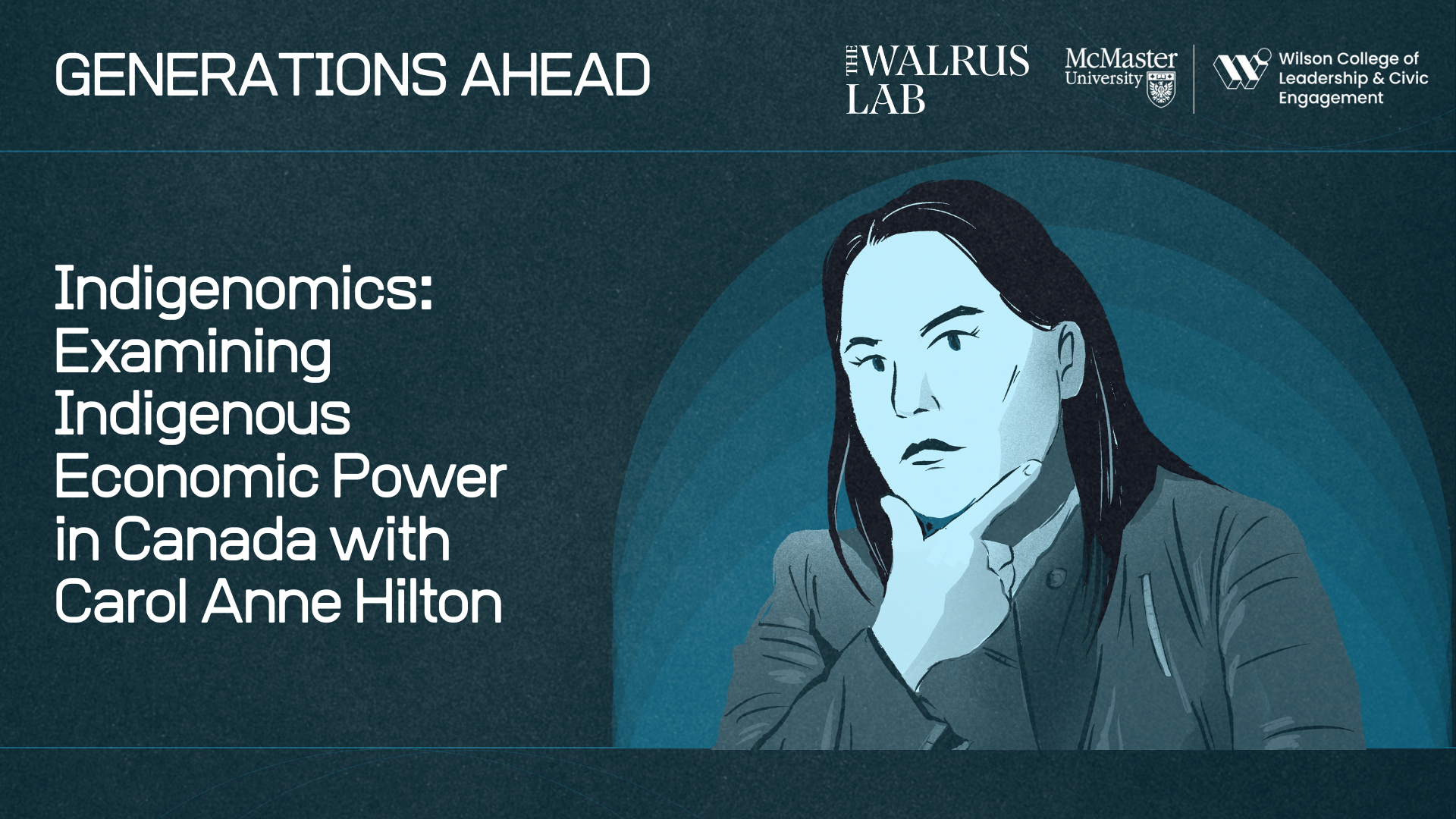
How do we rethink the economy to better reflect Indigenous leadership? |
|
This episode of Generations Ahead features Carol Anne Hilton, founder of the Indigenomics Institute, on the economic impact of the Indian Act and the concept of “Indigenomics,” which positions Indigenous peoples as key drivers of growth and innovation.
The conversation explores economic reconciliation and new ways of measuring economic strength beyond GDP, highlighting how Indigenous leadership is shaping Canada’s future. |
| Listen |
|
|
|
 |
|
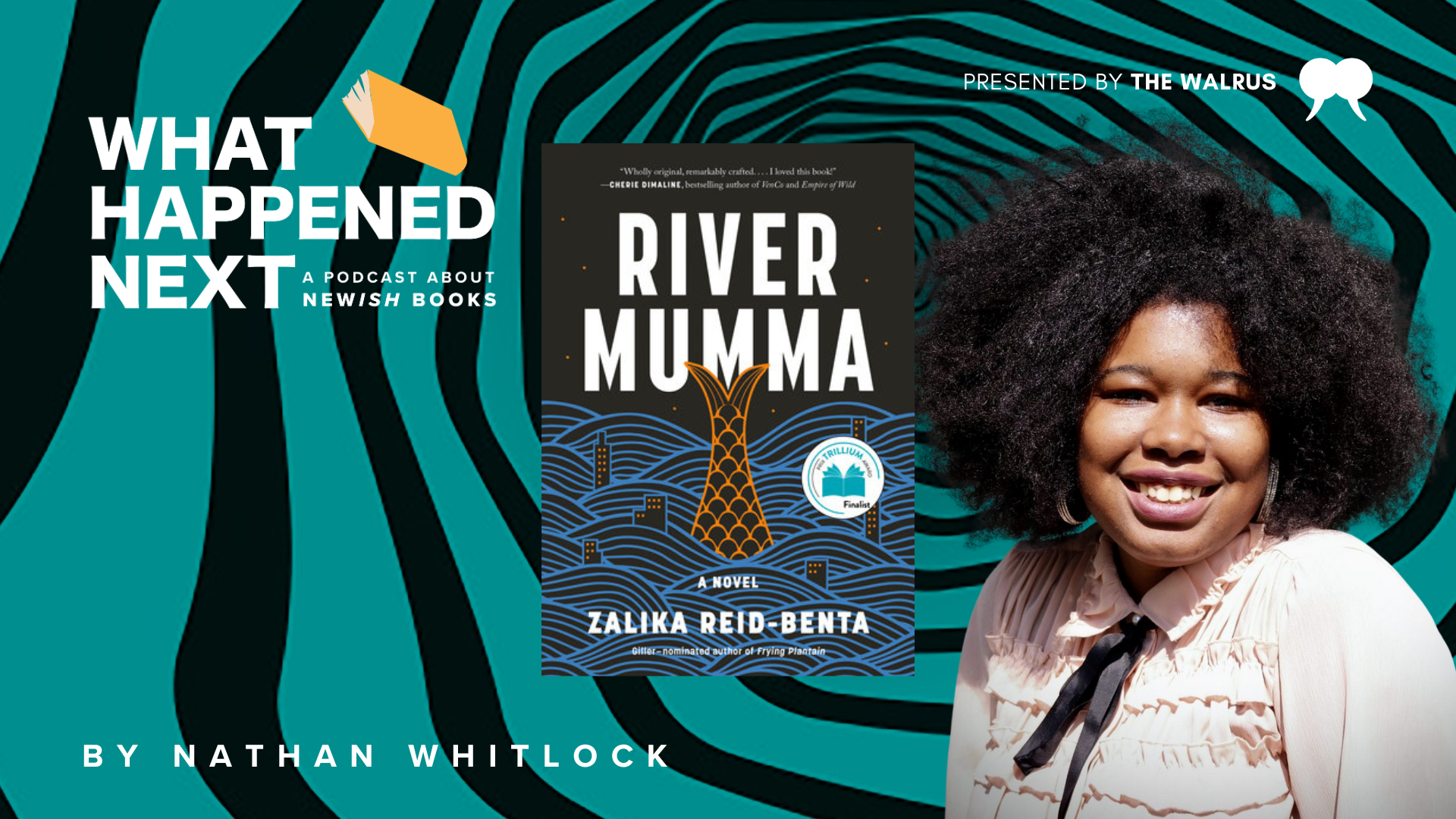
In this episode of What Happened Next, host Nathan Whitlock is joined by award-winning author Zalika Reid-Benta, whose most recent book is River Mumma. Zalika talks to Nathan about her current relationship with Toronto as a city, which features so heavily in her fiction; about her irritation with readers who insist on seeing her work as autobiographical; and about training her agent to accept her chaotic creative process. |
| Listen Now |
|
|
|
|
|
Will you help us beat our goal? |
|
I’m Brett, a contributing writer with The Walrus. This winter, I reported from Nuuk, Greenland, the quiet capital transformed by the threat of an American invasion into an unlikely stage for a global showdown.
What struck me was how deeply the threats had unsettled residents. People were on edge. But I was also struck by their willingness to share their stories.
The Walrus knows you need to hear from people who live in these places, and from reporters who are actually there. When you support The Walrus, you’re supporting real journalism.
The Walrus is investing in on-the-ground reporting while other newsrooms are getting slashed by corporate owners. We need your help to send writers where they should be.
|
|
|
|
|
— Brett Popplewell
Contributing Writer, The Walrus |
|
|
|