 |
This spring, join us for a new season of The Walrus Talks, bringing together leading voices to explore the urgent issues shaping our communities. |
 |
|
Addictions and Mental Health Ontario presents |
The Walrus Talks Opioids |
|
Exploring how policy, care, and community can transform lives amidst a drug toxicity crisis |
|
Tuesday, March 24
4 p.m. PDT | 5 p.m. MDT | 5 p.m. CST | 6 p.m. CDT | 7 p.m. EDT | 8 p.m. ADT | 8:30 p.m. NDT
In person in Toronto and livestreamed event |
| Register Here |
|
It’s been nearly a decade since the Ontario government released its official opioid strategy, but recent findings from the Office of the Auditor General and the Office of the Chief Coroner show the crisis continues to deepen as municipalities, including Kingston, Hamilton, Barrie, and the Niagara region, declare states of emergency.
At The Walrus Talks Opioids, medical experts, frontline workers, policymakers, and individuals with lived experience with opioid use disorder will share evidence-based strategies for tackling the crisis, highlight proven policy solutions, and outline what we can do to end the crisis.
With a specific focus on Ontario, on a topic that’s relevant across the country, The Walrus Talks Opioids offers attendees the chance to learn and interact with leading experts in the field who are engaging with the crisis with compassion and respect for human dignity. |
 |
|
FEATURING
Dr. Jennifer Brasch, Lead, Addiction Psychiatry, St. Joseph's Healthcare Hamilton
Kevin Brosseau, Commissioner of Canada’s Fight Against Fentanyl, Privy Council Office
Rennie Linklater, PhD, Senior Director, Shkaabe Makwa, CAMH
Marianne Meed Ward, Mayor, City of Burlington; Chair, Ontario's Big City Mayors
Scott Menzies, Founder, Hard Hats Support; CEO, The Coating Inspector
Suzanne Obiorah, Chief Executive Officer, Somerset West Community Health Centre
And more |
| Purchase Tickets or Register for the Livestream |
 |
|
Max Bell Foundation presents |
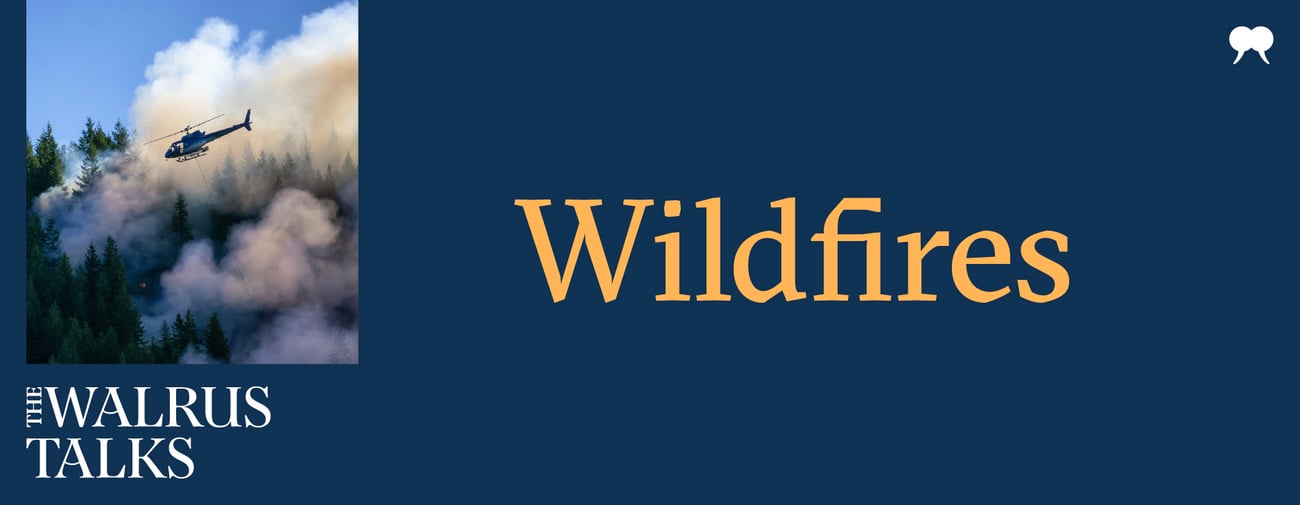
The Walrus Talks Wildfires |
|
Facing up to a future with more fire |
|
Wednesday, April 1
6 p.m. PDT | 7 p.m. MDT | 7 p.m. CST | 8 p.m. CDT | 9 p.m. EDT | 10 p.m. ADT | 10:30 p.m. NDT
In person in Saskatoon and livestreamed event |
| Register Here |
|
Wildfires are no longer a once-a-year emergency in Canada. In 2025, fires burned more than 8.3 million hectares across multiple provinces (roughly the size of New Brunswick), making it the second-worst wildfire season in the country. Some experts warn this could become the new normal.
At The Walrus Talks Wildfires, expert voices from the health, climate, policy, and technology sectors come together to explore the impact of the wildfire crisis. Speakers will break down how fires affect public health outcomes, air quality, and the economy, as well as the challenges of rebuilding communities after catastrophic loss and why Indigenous nations are disproportionately affected. With smoke and other side-effects now crossing provincial and national borders, Canadians are asking not whether this will continue, but how we respond.
Live in Saskatoon and streamed online, this event is an opportunity to hear from leading experts, engage with the latest research and perspectives, and explore promising solutions that can shape Canada’s response. |
 |
|
FEATURING
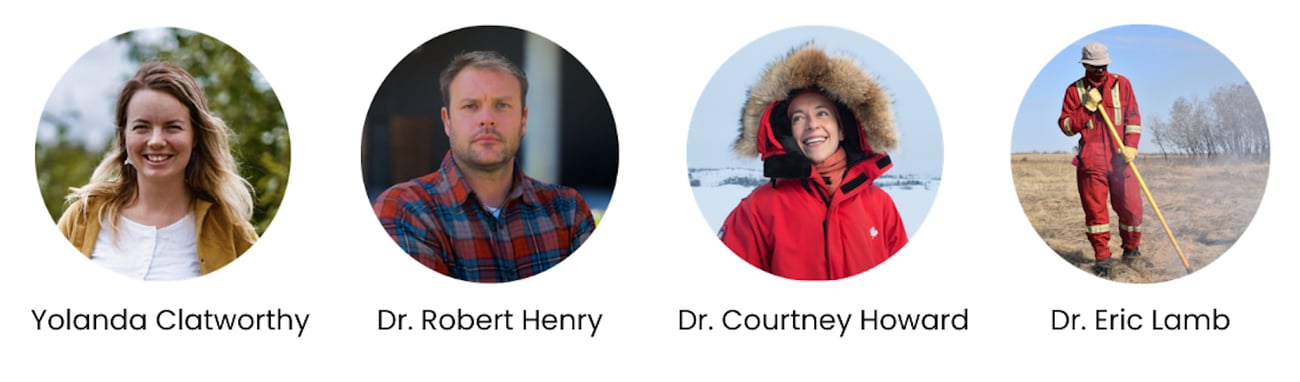
Yolanda Clatworthy, Director, Mitigating Wildfire, Morris J. Wosk Centre for Dialogue, Simon Fraser University
Dr. Robert Henry, Associate Professor, Department of Indigenous Studies, University of Saskatchewan; Canada Research Chair in Indigenous Justice and Wellbeing
Dr. Courtney Howard, Emergency Physician; Founder, POWER—Planetary Health Organizations for Wellbeing, Equity, and Regeneration; Chair, Global Climate and Health Alliance
Dr. Eric Lamb, Professor, Department of Plant Sciences, University of Saskatchewan
And more |
| Purchase Tickets or Register for the Livestream |
|
|
|
Upcoming |
|
|
|
The Walrus Talks
Power and Belonging |
|
Thursday, April 9
In person in Toronto and livestreamed event |
| Register Now |
|
|
|
|
|
WATCH: The Walrus Talks Ending Gender-Based Violence |
|
Gender-based violence refers to harmful acts directed at individuals based on their gender. It disproportionately affects women, girls and gender diverse people, impacting over half of Canada’s population and costing lives.
The Walrus Talks Ending Gender-Based Violence brought together activists, advocates and experts to examine pressing policy gaps and cultural shifts that can reduce and prevent gender-based violence. |
 |
|
|
|
|